Inside the African DoorDash Economy
A Report on the Dasher Invasion
By Jack Ludkey · June 10, 2026 · 6 min read
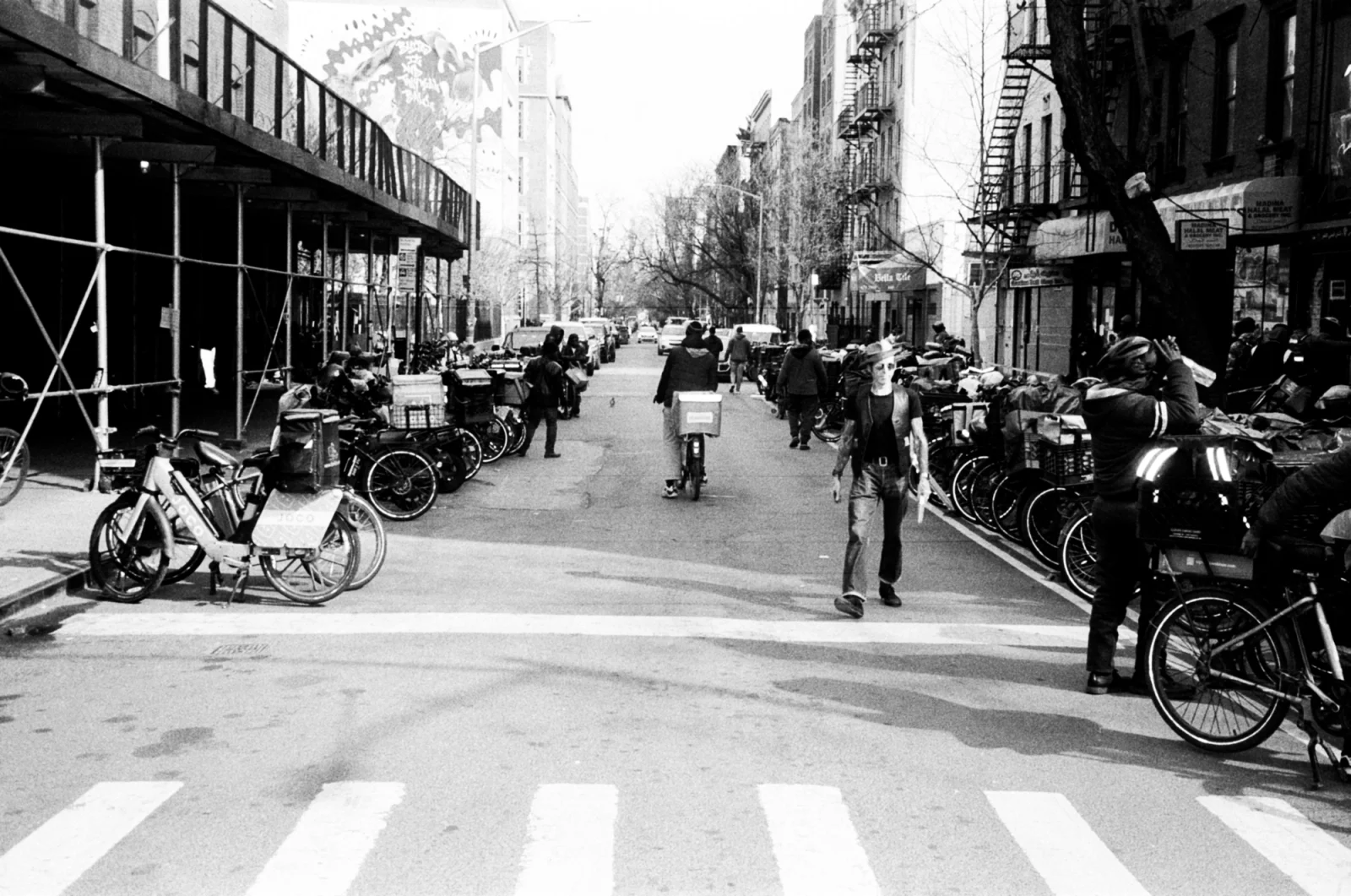
On the side of a building on the corner of 11th Street and 1st Avenue there is a huge mural of Michael Jackson. Half child, half adult, he watches over a street I call “Little Africa.”
Little Africa grows bigger every year, displacing businesses and parking spaces with its ever-growing bike racks - dirty little e-bikes, all chained together, poised to deliver DoorDash orders - that now cover much of 11th Street, spilling onto 1st Avenue.
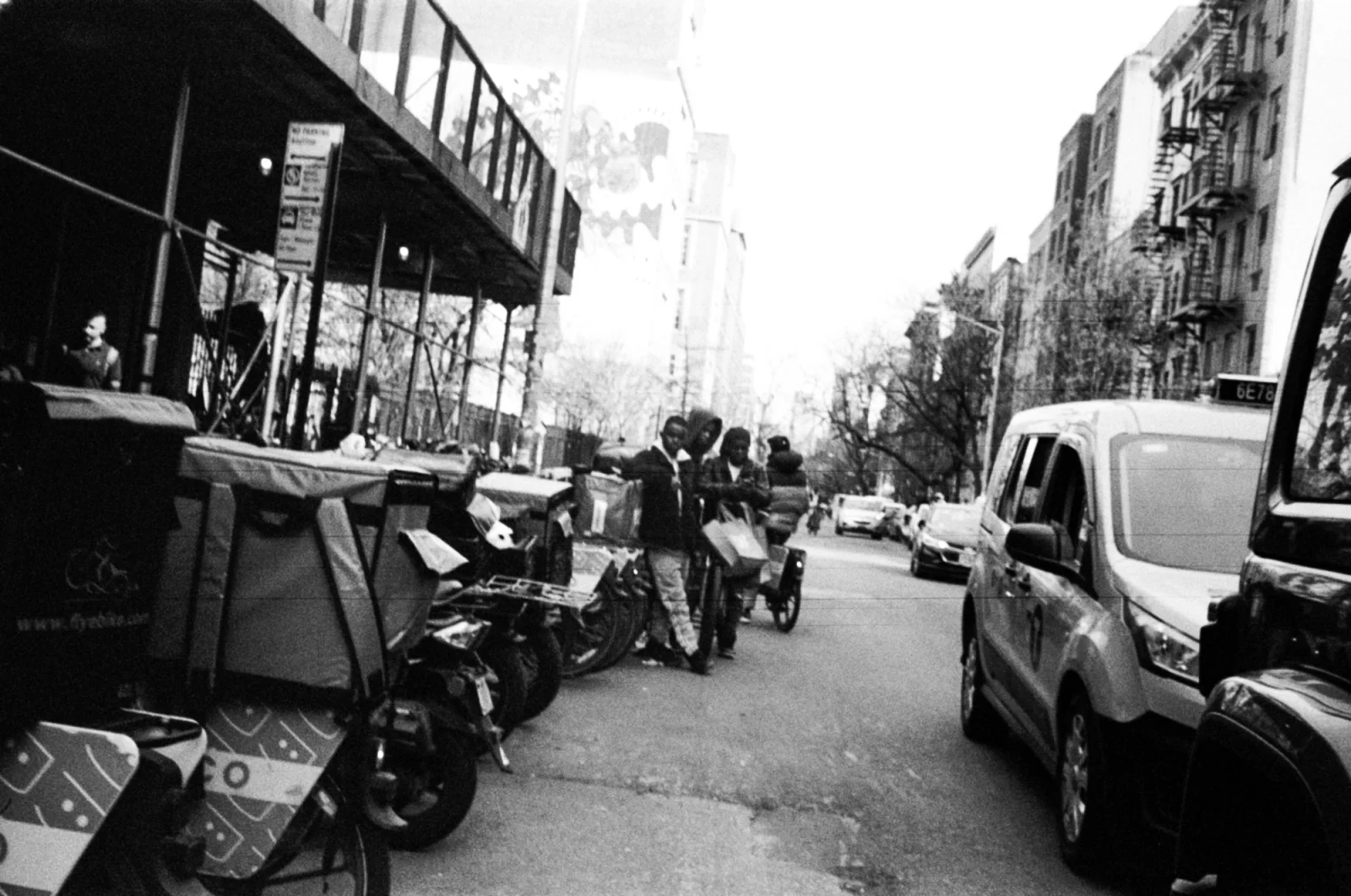
When I first moved to New York in 2019, the corner of 11th and A was quiet. There is a mosque that sold incense and sticks to brush your teeth. A food court across the street sold lamb over rice for $8, gyros for $6. The DoorDashers were sequestered to a parking spot next to the food cart, it being their food source.
Six years later, the food cart has moved across the avenue, and the DoorDashers have spread to take its place. Legitimate businesses nearby have closed. Before moving, the food cart occupied the corner for almost 25 years. When I asked him why he had to move if he was there first, he responded:
“I don’t know. The city, the city is crazy.”
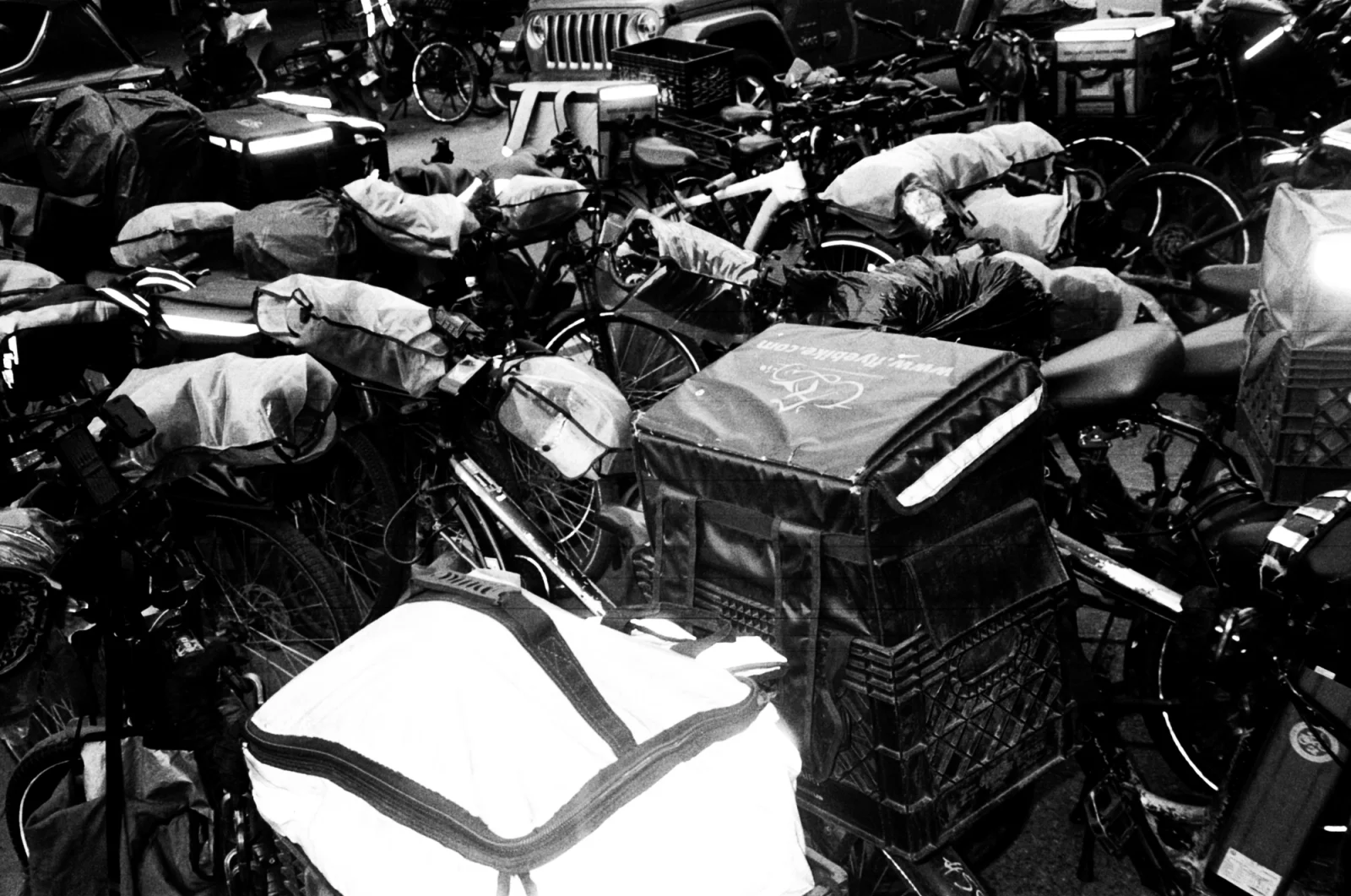
If you are a car owner in New York, your life revolves around street cleaning. You have to move it twice a week or face the wrath of a Bangladeshi meter maid. The signs on 11th Street claim that street parking takes place twice a week. This is not true. Since I am a law-abiding citizen, I move my car for street cleaning and park on 1st Avenue to see if the bikes ever move. The street cleaners pass by and no one bats an eye. Not surprising given the level of filth and oil accumulating on the street. The Africans, mainly Guinean, don’t even pretend to care about the cleaner. Their bikes don’t have plates so they’re impossible to ticket. The grime and litter follow the horde.
“Everyone complains about them. The mosque complains, the neighbors complain, the restaurants complain, but the city never does anything about it.”
A lady doing community service picks up some of their cans and I ask her if she works for the city. She tells me she just does this as a favor for her boss. She leans in, as if the DoorDashers can hear her.
“These guys never move, the city has basically given up.”
She winks at me and walks away.
The NYPD is terrified of the bad press that would result from an outright sweep of the area. A minor cleanup over the summer resulted in no criminal summons being issued, and the bikes could be reclaimed without ID.
Even this slap on the wrist caused passersby to lose their minds.
According to EV Grieve, a hyperlocal East Village forum:
“Tensions boiled over at times, with some skirmishes occurring among residents, law enforcement, sanitation, and the bike owners. One woman walking by screamed at the police, ‘Why?! Why are you harming them? Why are you taking their means for work?’”
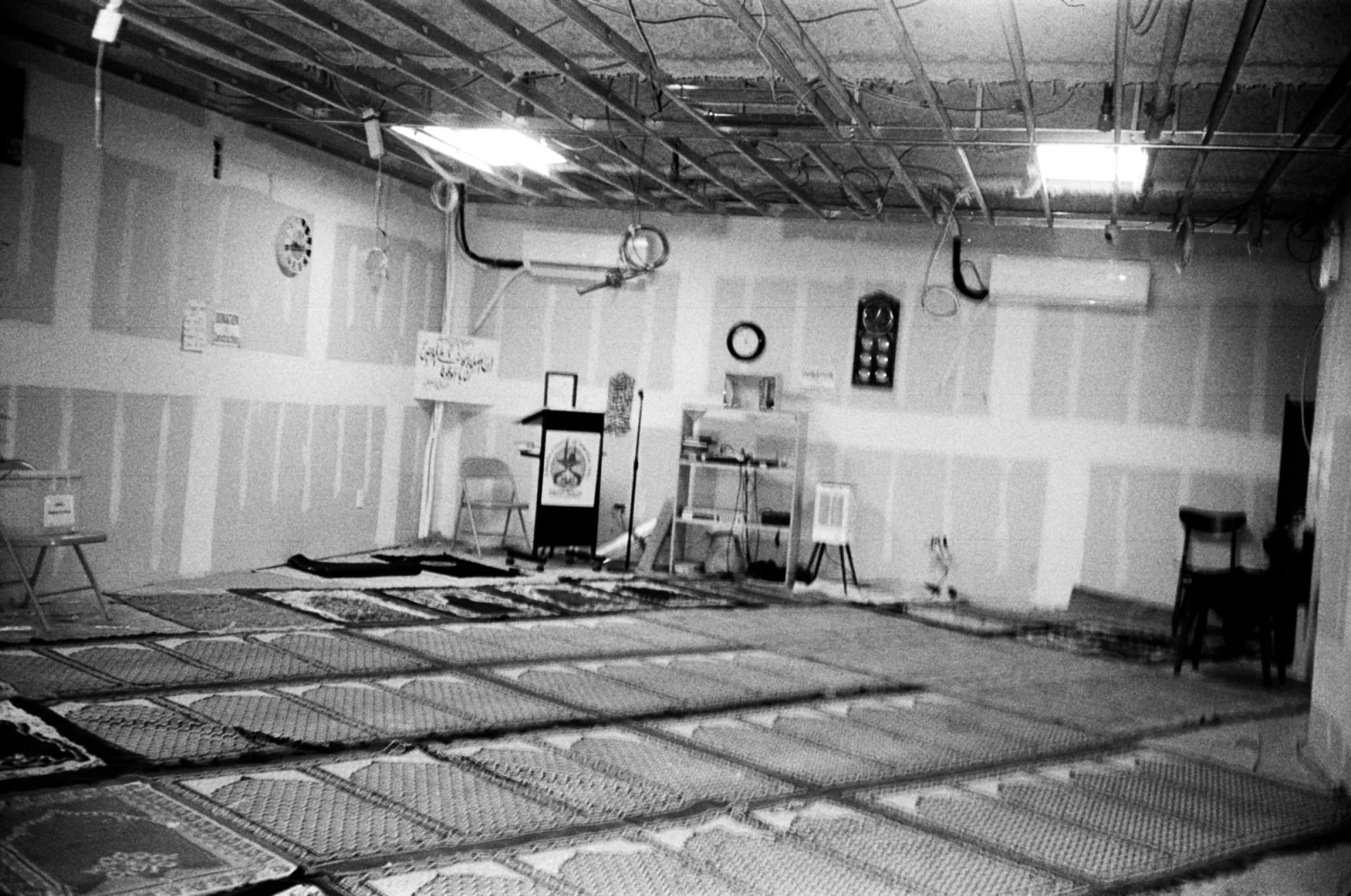
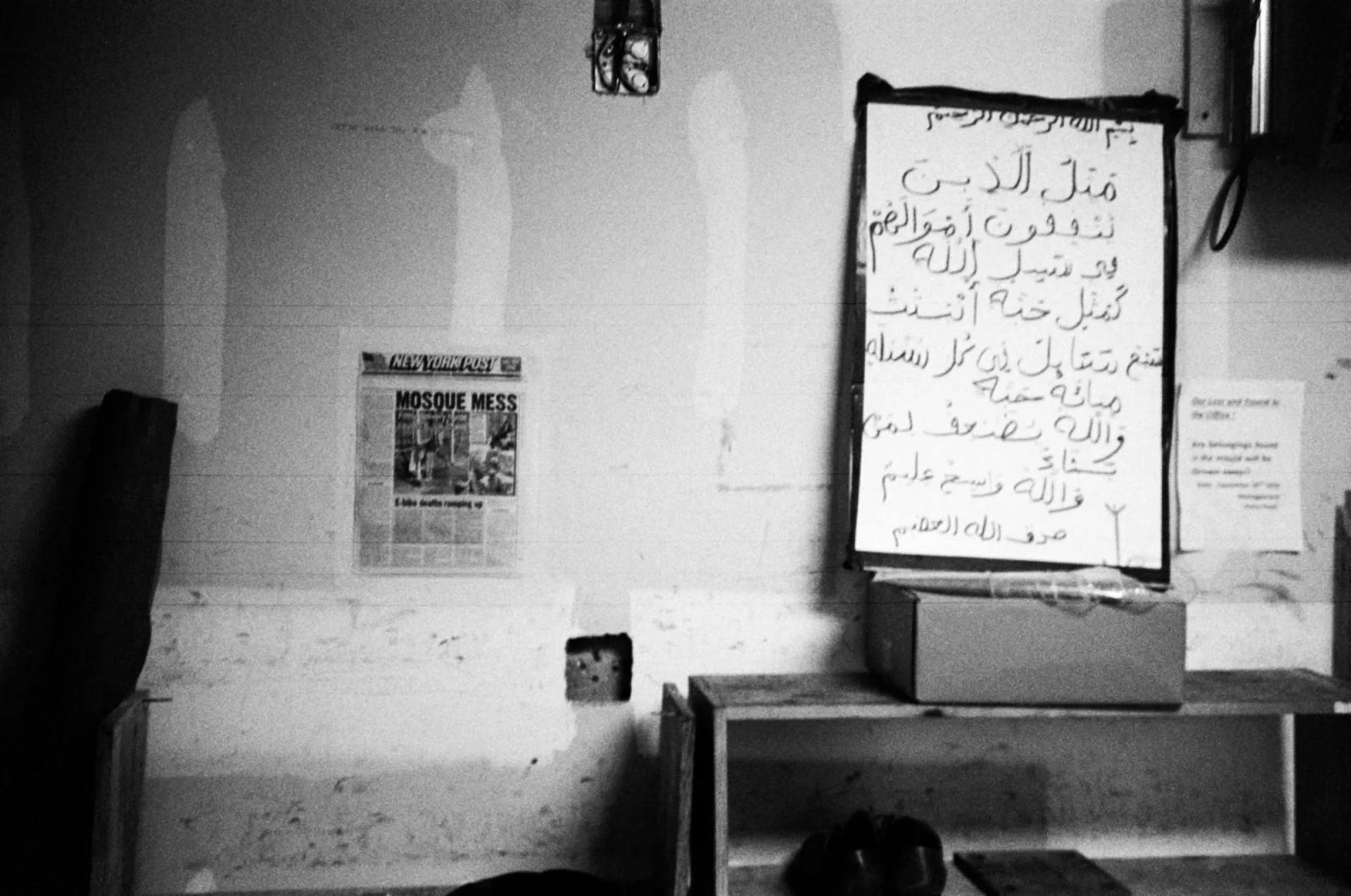
The mosque, Madina Masjid, is the oldest mosque in New York City. Since the influx of Muslim immigrants in the 2020s, it has ceased operation and is in need of $6.5 million worth of repairs. According to their website they have raised $285,000. The mosque is still partially usable, with a main room full of prayer mats and an exasperated Middle Eastern man trying to hold down the fort. He refused to comment about the flood of immigrants in his neighborhood.
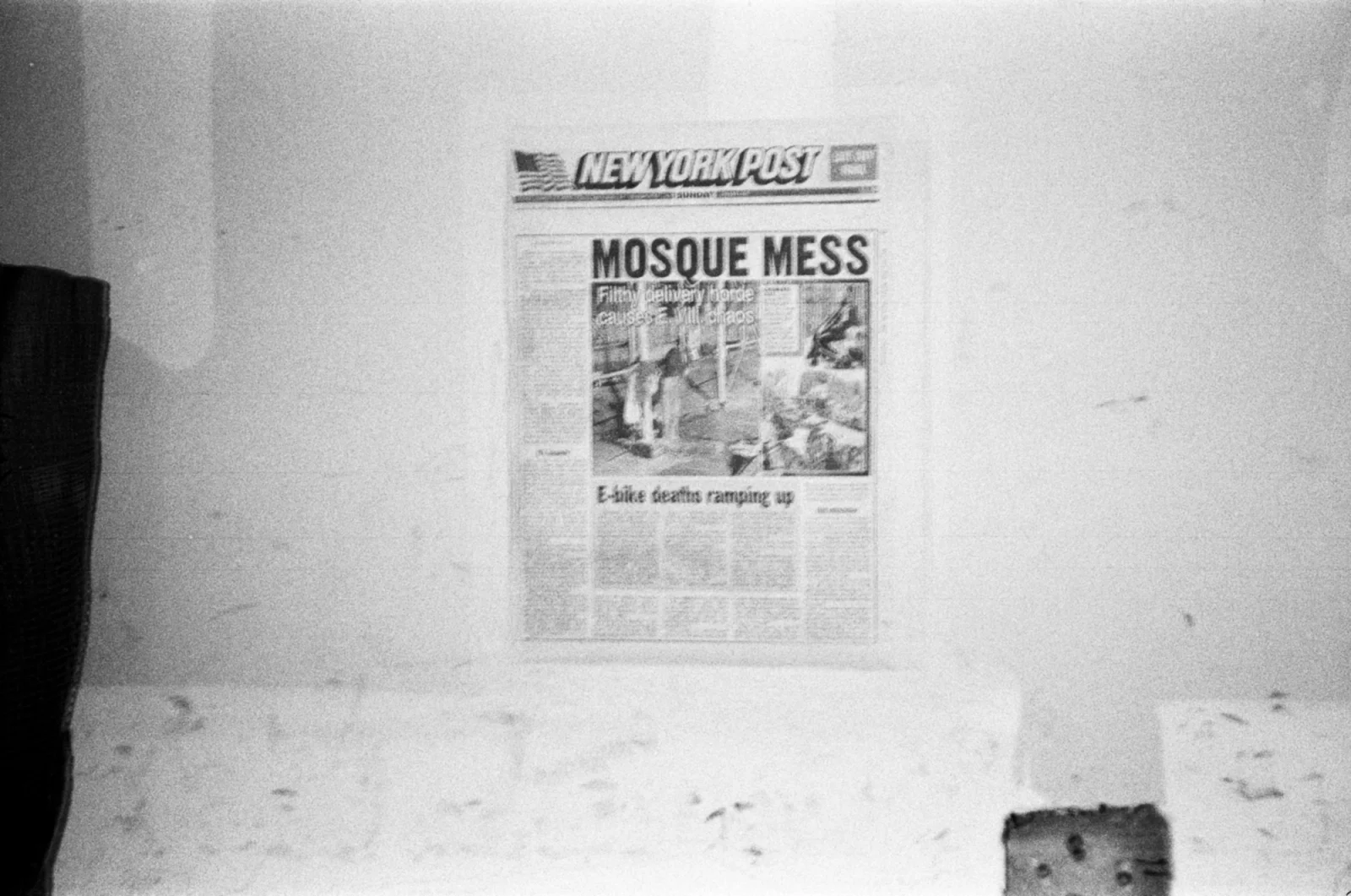
A New York Post headline taped to the wall of the mosque reads “Mosque Mess,” a subtle protest over the goings-on. There is now a barber chair among the bike racks. It spews hair on the sidewalk, next to a cooler full of raw meat tended to by one of the few female immigrants. Perma-scaffolding covering the perma-under-construction mosque provides shelter for the barber shop and wet market.
I spoke to a few of the DoorDashers. They seemed on edge. Some said they would only talk to me in exchange for soda, juice, or milk. In DoorDash City, most Dashers leave their bikes on 11th Street and sleep in shelters in Brooklyn.
I don’t even like model minorities. They’ve set the value of labor back centuries. Even low-tier jobs are filled by people who will gladly live in a shelter and work for less. The idea of cutting off the supply is fascist.
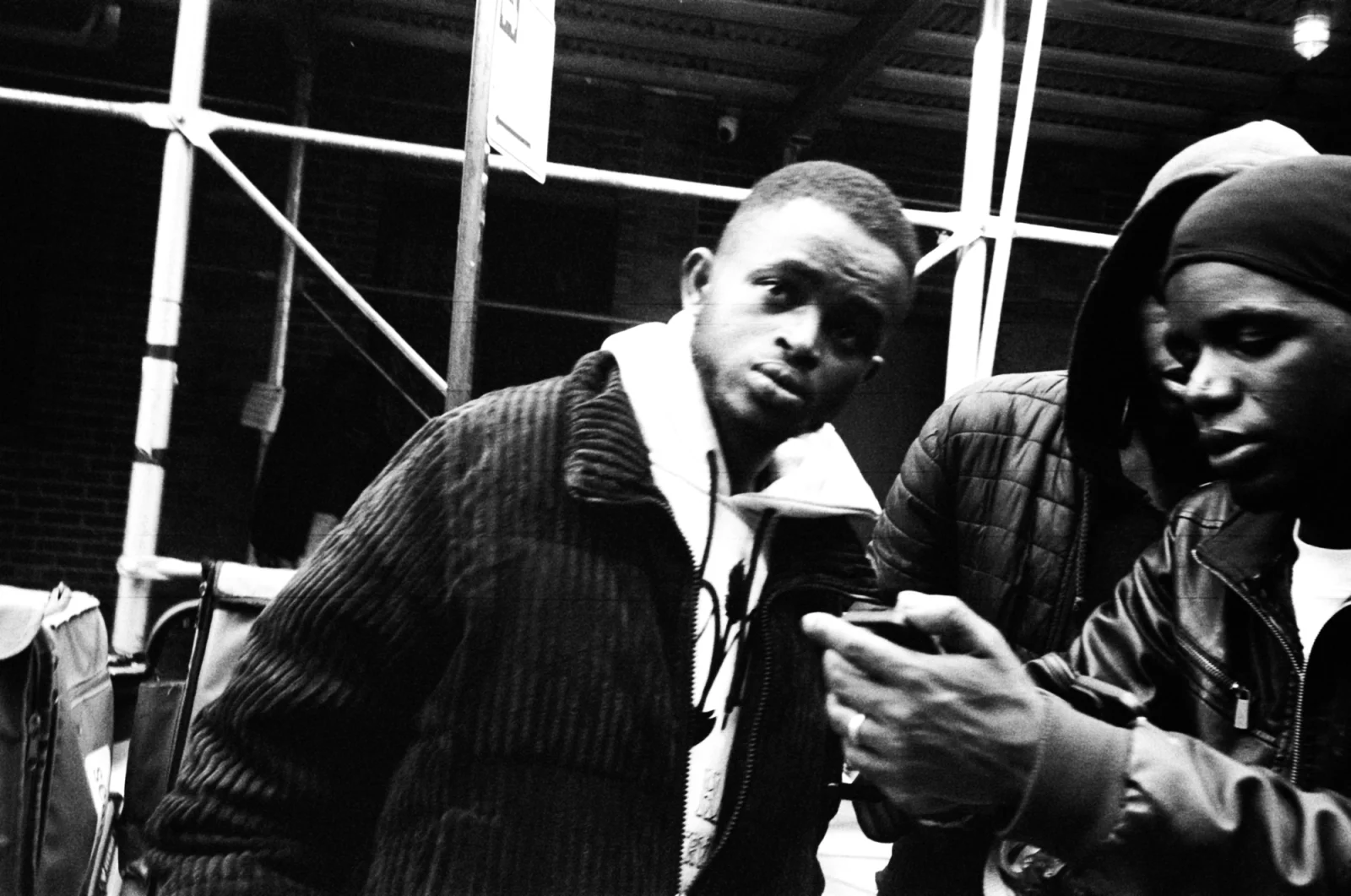
The few Dashers I spoke to were happy. They all loved America. Why wouldn’t they?
One Guinean man smiled widely. Unclear if he was high or if his eyes are always blood red.
“I love the population, they are so good.”
I asked him why he wasn’t working.
“No work today.”
He showed me the apps open on his phone. He shrugged.
The Dashers don’t pay much attention to the outside world. They don’t catcall women. Their posture is distorted, with their faces in their laps, trying to fold into themselves. They FaceTime with someone from the old country silently or watch reels at full volume.
The e-bikes have reconfigured the traffic flow. Again, no license plates, so the riders can drive recklessly without fear of reprisal. If one of them hits your car they will simply run away. Obviously they don’t have insurance.
The bikes are notorious fire hazards, causing 66 fires this year and five deaths. If you drive, there’s always a Dasher in your blind spot. If you bike the Williamsburg Bridge, a Dasher blasting music from a portable speaker will blow by you going 30 miles an hour.
I have never seen the police pull over a Dasher. Even at some stings targeting unsafe biking, the police target tax-paying Citi Bikers who forgot to signal a turn, not the ones running red lights.
They buzz every room in your building, too lazy to wait for you to get up off the couch. When they gather on the corner, their sheer numbers become evident.
I stop a man on 1th leaving his apartment. He’s shaking his head. I ask him about the corner.
“Everyone complains about them. The mosque complains, the neighbors complain, the restaurants complain, but the city never does anything about it.”
The line of “out-of-business” storefronts has grown longer. There are four “for lease” signs covered in graffiti in a row running down the East side of 1st Avenue. Each empty storefront is now storage for the bikes. The spread continues.