MAMA's Boys #001 Bart Hutchins
The Last Cool Chef In America
By Denzel Rust · August 11, 2026 · 5 min read
I’m at Butterworth’s. An upscale restaurant popular among Washington’s right-wing elite; where Steve Bannon, Marco Rubio, Scott Bessent, and many other MAGAlytes eat tallow fries on the Hill. Axios called it “MAGA's haute new hangout,” Slate called it, “The “Rust Belt diner” of the second Trump era.” Notus declared, more neutrally, that “Butterworth’s Is for Bosses.”
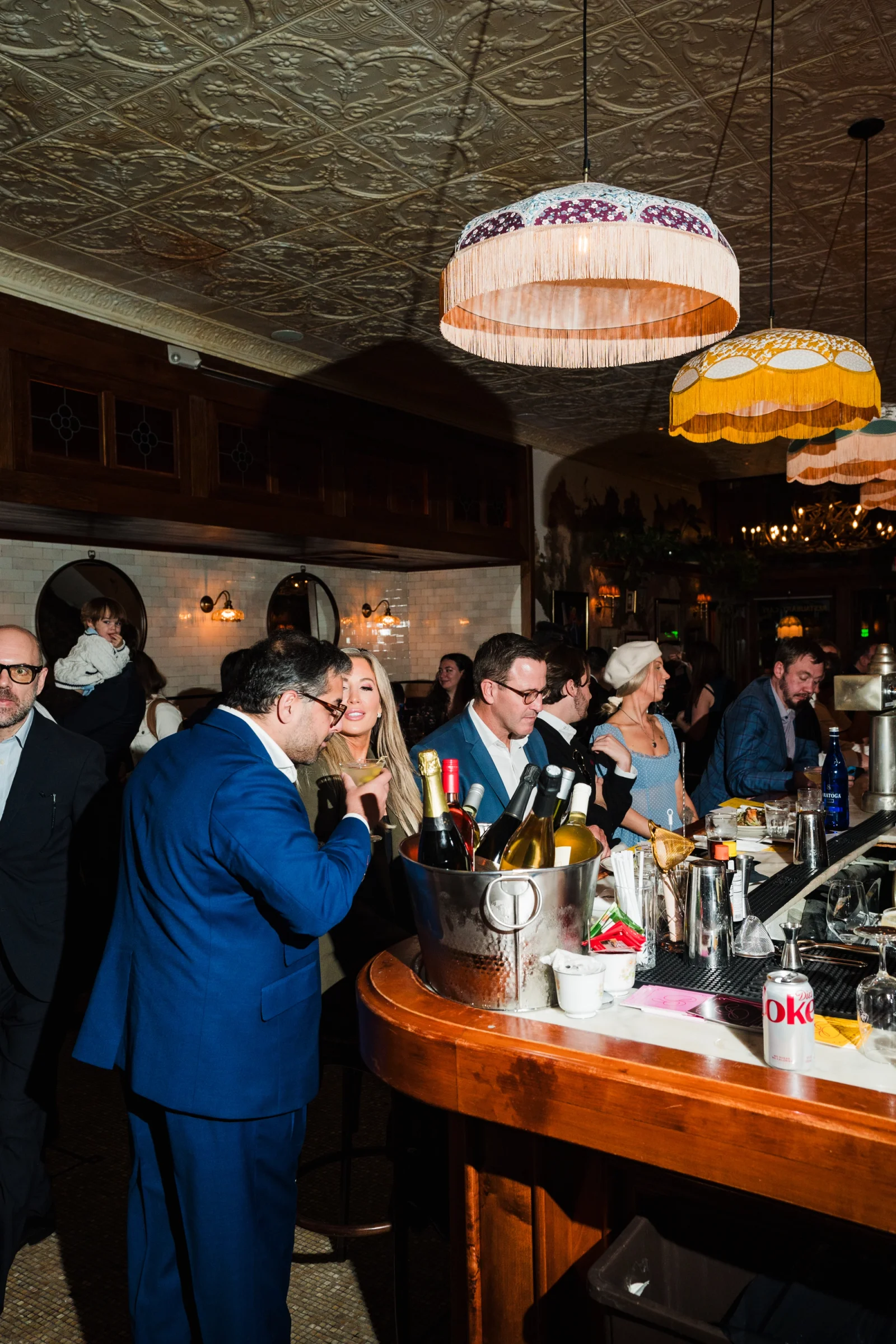
Ornate embroidery blankets the booths. The place glows under incandescent light. Each of the chairs are one of one. The establishment was founded by head chef Bart Hutchins and Alexander Butterworth just a few years ago, but you’d think it was preserved in amber from colonial times.
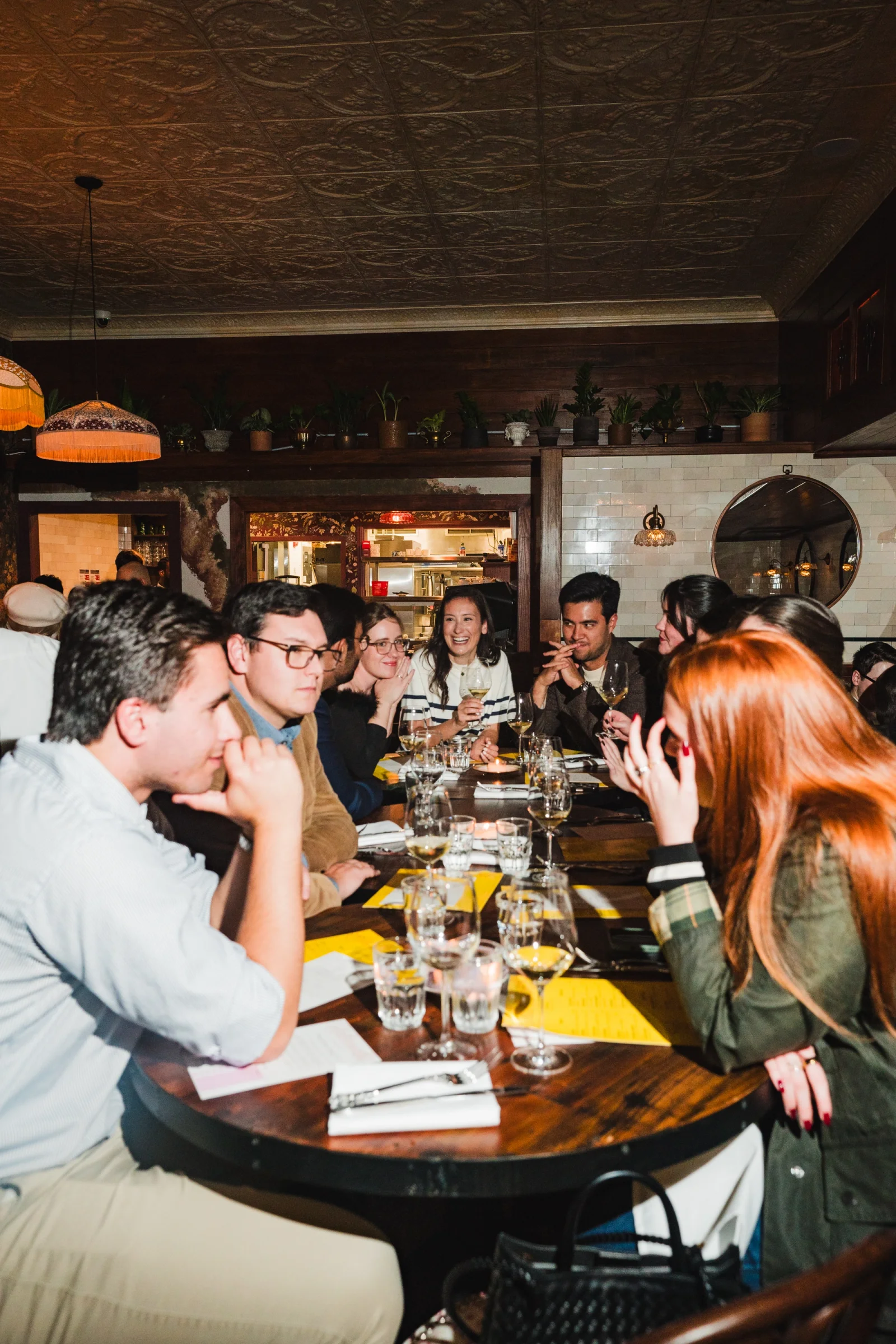
I’m at a table with the MAMA crew and its affiliates. Business trip. There’s Editor n’ Chief Isaac Simpson, a few shadowy investors, our coked out media consultant, and a series of writers, both anon and not. Everyone’s already wasted. Sitting a table over is a famous New York Times reporter who asks to be left off the record. He argues with our media guy about whether Virginia should be considered “the South.” I look at the menu.
“How’s the burger?” I ask Bart, who has graciously come by our table.
“It’s amazing,” he says, “But there’s other stuff you should try.”
Bart is haunted by a phenomenon he calls “Burger Audience Capture.” What happens is a fancy restaurant like Butterworth’s adds a burger to their menu. It’s incredible, so click hungry food bloggers immediately start pumping out headlines about the best new Burger in D.C. They aren’t wrong, which is the annoying part. It probably is the best new burger in D.C., but Bart doesn’t just want to sell 700 burgers a night. He wants to deliver a new experience to his customers; lamb tartare, pheasant, bone marrow escargot, foie gras. He eschews generic success, and demands it on his own uncompromising terms.
“We’ll have everything on the menu,” says one of our shadowy investors.
Bart left the white collar world of political strategy, worked in kitchens for free, and eventually became both a master of his craft and a master of his fate. He not only launched a successful restaurant (of which 60% fail in the first five years), he did it with a target on his back during a time when other D.C. establishments kicked out members of the admin for clout.
“I just sort of refuse to be a slave,” he says to me. “One of my early mentors in the restaurant industry, who I admire greatly, even fired me because I just can't work for other people. I really think that's the only way. It's like, life can be pretty good if you have the constitution to be a worker bee. But if you don't, your life in America is gonna suck outside of the one path you build for yourself.”
Bart makes it clear that liberals are welcome too. From his perspective, red vs. blue partisan eateries are a completely new phenomenon. The real split in old D.C. was between places that were political at all vs. places that were working class. He tells a story about Mick Jagger being kicked out of Sans Souci, an upscale political joint, for not donning a jacket like the squares from the Hill.
“I think everyone should have the same watering holes,” Bart says, “Butterworth’s is designed like a fishbowl. A place to see and be seen.”
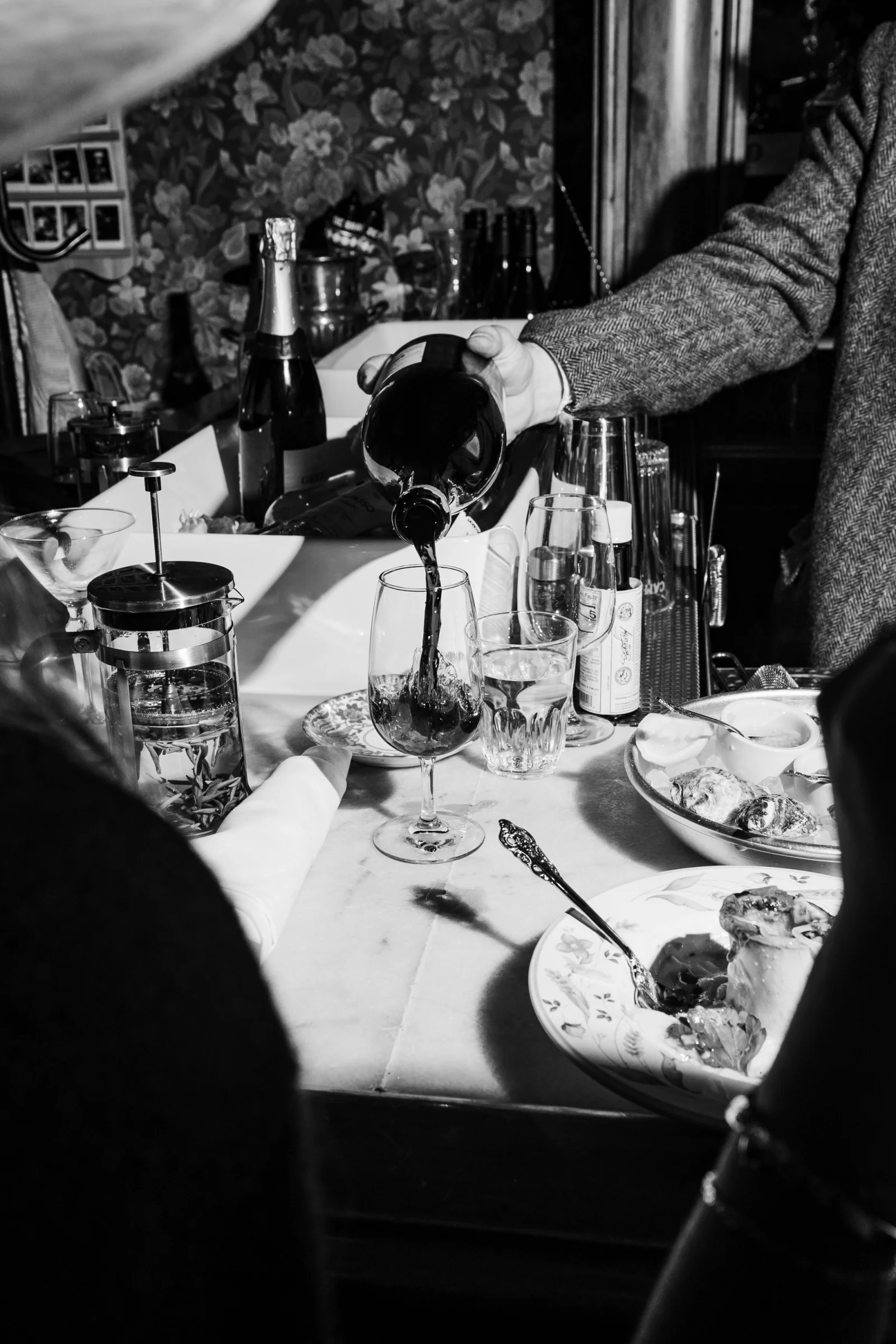
There are multiple hot blondes at the bar. One of them is reading by candlelight. The other two chat with old men in blazers. The wait staff are professionals; they linger to give detailed wine recommendations, never miss a beat between courses, and don’t rush you away when the meal is complete. It really does feel like a complete reversal of the hedge-fundified restaurants with $18 artisanal tacos and rushed, awful service that seem to be spreading like cancer. All around the room, chatter bleeds across party lines as people eavesdrop and enter the conversations of neighboring tables.
Bart heads back to the kitchen. He doesn’t mind the “open kitchens” trend that plagues those VC-backed modern establishments, and praises them for showing people behind the veil, but prefers the freedom of a closed set.
“At the end of the day,” he explains, “one of my favorite parts of the job is being in the kitchen with my boys and being able to shit talk each other and call each other retards and idiots and assholes.”
After possibly the best meal of my life, belt buckles loosened, we head outside for cigs. Butterworth’s golden-painted sign glows against a maroon red background. A massive American flag hangs from the window of the upstairs bar. No one can shut up about how good the wild boar rigatoni was.
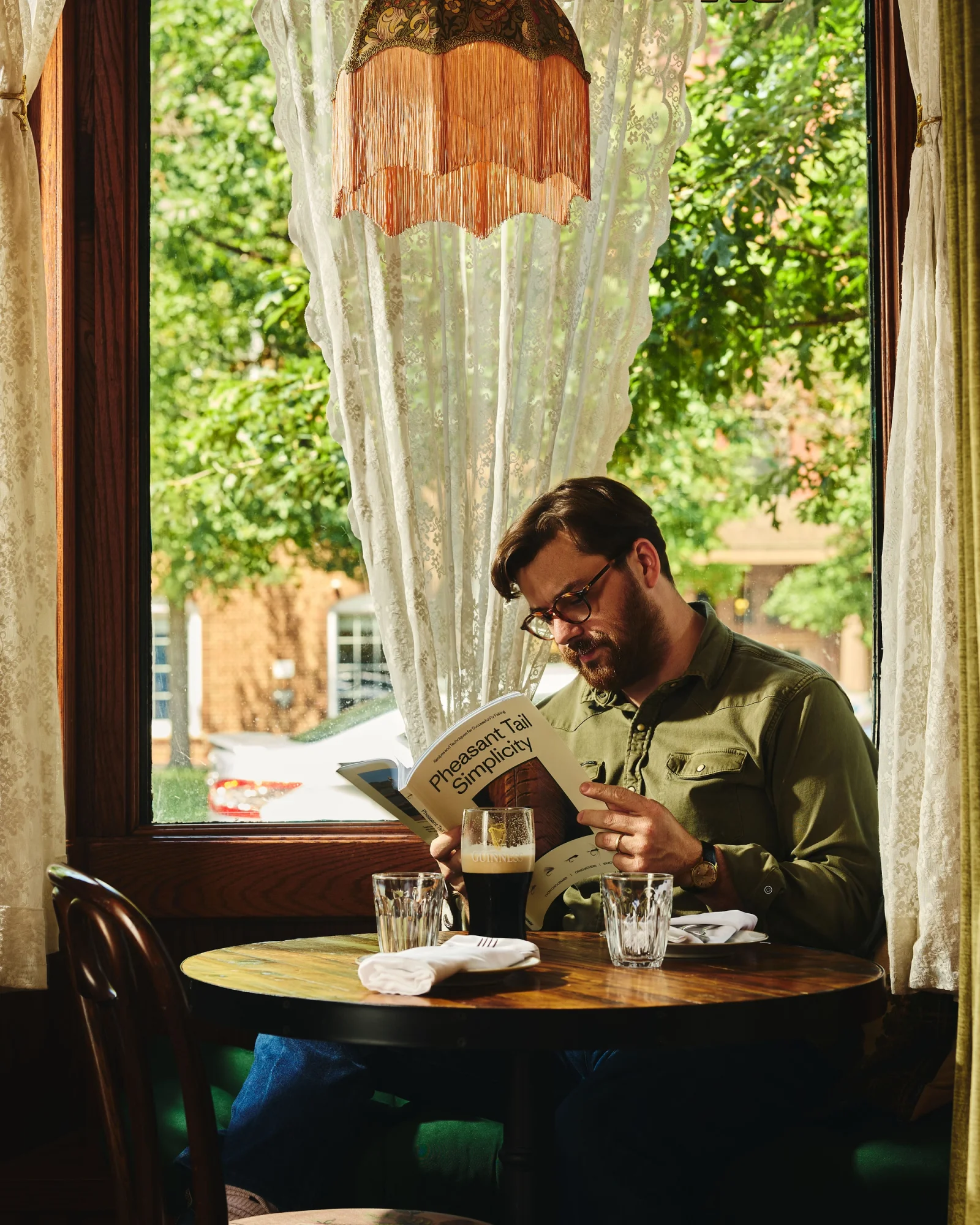
Unsurprisingly, the media has missed the point. What makes Butterworth’s “right wing” isn’t that it’s a place Kash Patel can order a ribeye, it’s the singularity of vision and brutal commitment to excellence that is downstream of Bart himself. A plain spoken, plainly dressed guy who casually bends reality to his will. If Butterworth’s is right wing, it’s because of hierarchy, execution, and ultimately, success.