The Rich Kid Soundcloud Raper I Visited in Prison
Wolfe Margolies and His Drrty Pharm
By Jack Ludkey · July 14, 2026 · 16 min read
In the waiting room of the Danbury Correctional Institution, I’m the only one that isn’t an old person or a child. The elderly sit in silence, staring at the walls, thinking about what they’ll say to their adult sons. The kids mess with the vending machine, trying to cajole a loose Peanut M&M package down from inside the glass. I browse a beat-up collection of children's books and wait for my name to be called.
I’d expected something more intimidating: surly guards prowling with nightsticks, see-through screens, maybe a dungeon with bullet-proof glass like in Silence of the Lambs. In reality, it just feels like a DMV.
They finally call my name.
The visitation hall is crowded and loud. Kids scream, and a couple toward the back spends the entire visitation session locked in a never-ending kiss (there are no conjugal visits in federal prison). I brought some cash in a ziplock bag as instructed. I offer to buy my subject a soda to break the ice.
“What do you want?” I ask.

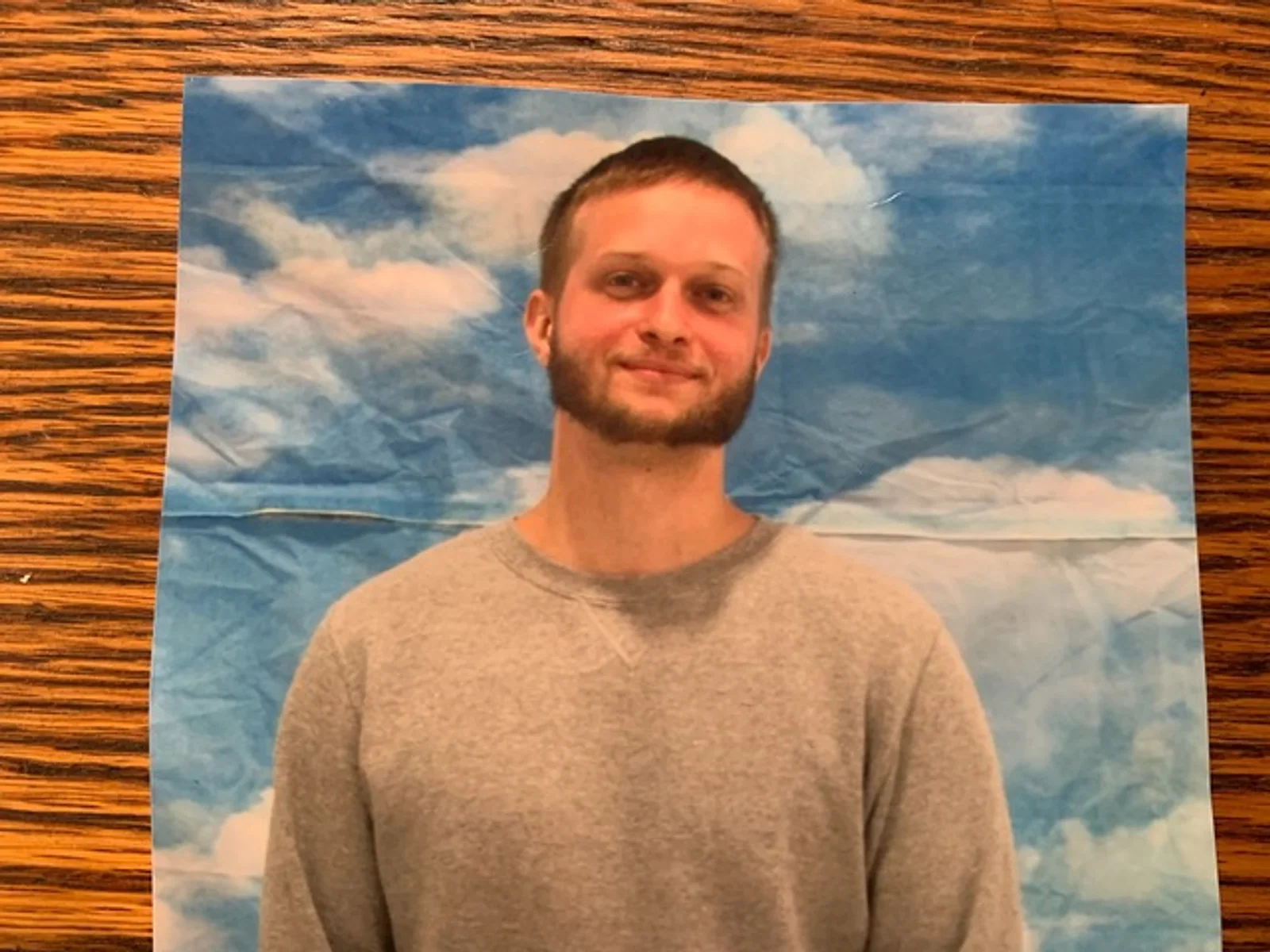
He thinks for a while. Although we’ve spoken many times over the phone, in person the conversation is stunted. This is not the Wolfe Margolies I had seen online: dirty, bleach-blond, effeminate, with bleak blue eyes. Today, he looks Amish, with short bangs, glasses, and a bulky frame.
“A Snapple.”
We sit in silence, slowly sipping our beverages, over the din of a microwave heating someone's vending-machine cheeseburger. I have only one question on my mind.
“What was in the deleted file?” I finally ask.
“It was sent to me by this trans girl,” he replies. “It was a link to Kik, which downloaded onto my phone. It was a video of a baby being raped. I replied ‘lol’ and deleted it. But the judge took the ‘lol’ as like, enjoyment.”
“Who was the girl that sent it to you?”
“I never knew her actual name, so I couldn’t do anything. I mean, I had grown up watching snuff films, so I was sort of numb to anything like that.”
****
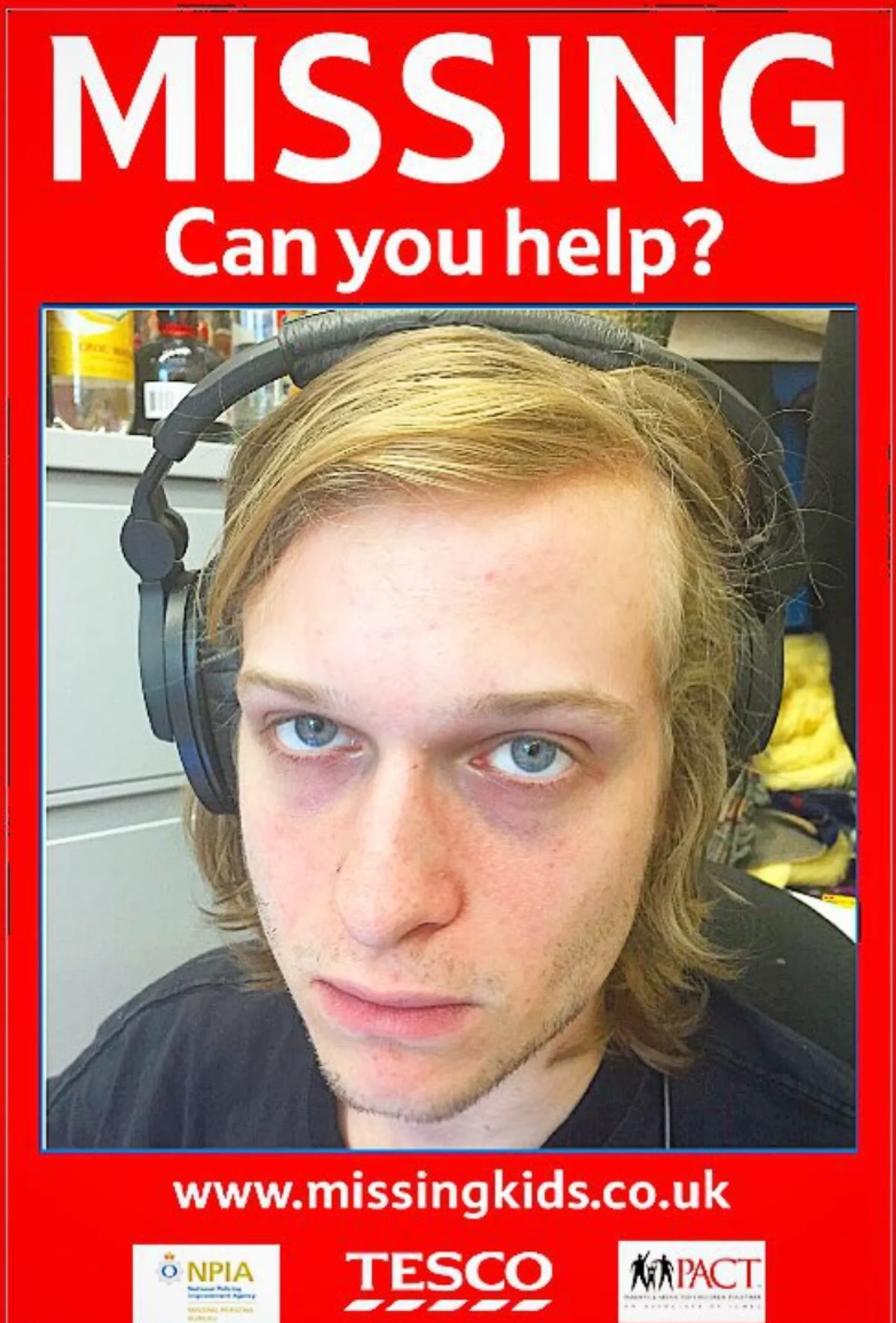
In 2019, Wolfe Margolies, better known as Drrty Pharms, pled guilty to conspiracy to distribute heroin and possession of child pornography. But while he was free — performing with the rap collective Beta Boys, a fixture within a certain corner of mid-2010s New York nightlife — he was shameless. He rapped about drugs, pedophilia, rape, being raped.
Some people make it their life's goal to burn every bridge
His music was vulgar yet vulnerable. "I have a wild side and a child bride," he rapped. "Valtrex and some scabicide / My life is like Story of the Eye / No gf but three bitches on the side."
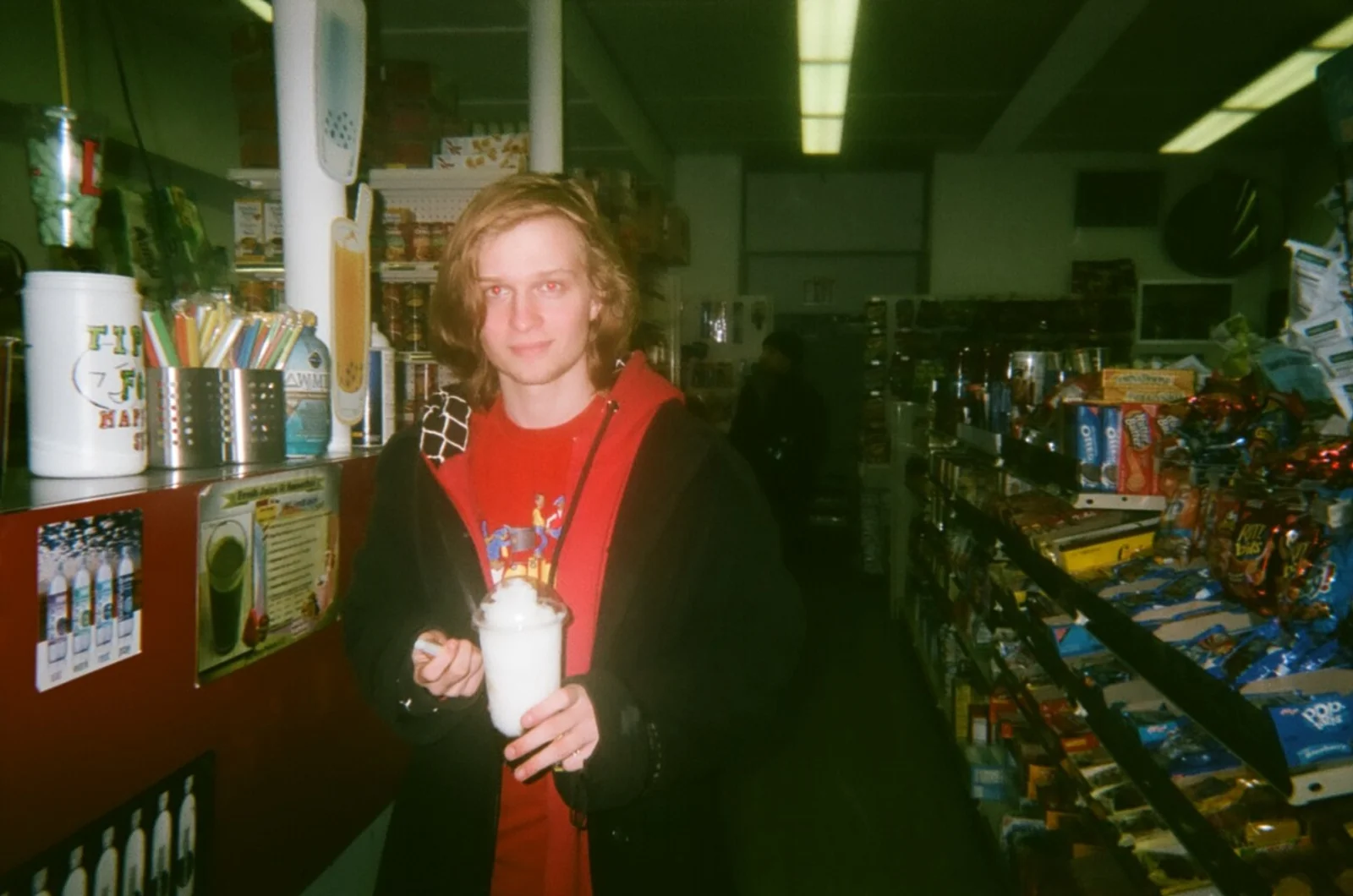
"I thought it was cool to live in your mom's basement and jerk off to Hentai all day," he explained, “At least, I wanted to make that cool."
The Beta Boys Facebook page became a kind of support group that preached radical self-acceptance above fanatical self-improvement, where young men could share their most pathetic "beta" thoughts, ranging from relationship problems to skin issues. The page’s motto: "Tell us your most embarrassing and humiliating moments and we'll tell you we love you and think you're okay."
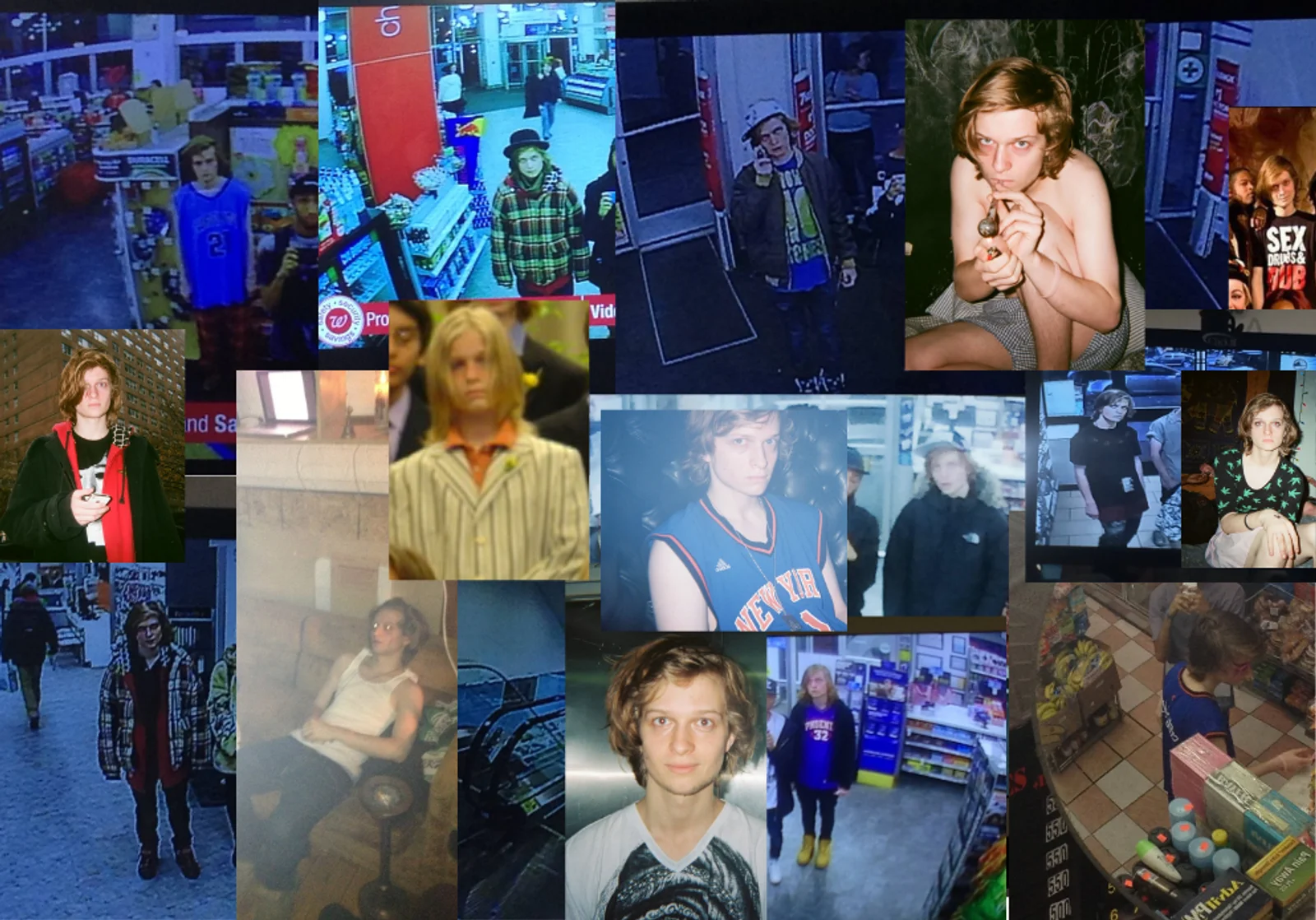
This was a different NYC, when skinny jeans were in fashion and Sour Diesel was still illegal. In photos, Margolies and his crew wear fedoras and black eyeliner. When I ask him whether this was indie sleaze, he laughs. "Nah man, this was street goth, like A$AP Rocky." Their parties and shows seemed "cool," diverse in gender expression and ethnicity. They were surprised by their own success. "We were the losers of the internet," a founding member of the Beta Boys told me. "No one should have wanted to be us.”
And yet people did. A scene developed as extremely online young men exulted in inverting social media's usual dynamic: instead of highlighting their clout, they posted about their lack of success with women, their acne-ridden faces, their status as colossal rejects. Partially inspired by 4chan, Margolies helped found a community centered around loserdom.
"I added anyone that I thought was really pathetic," he told me. "People would reach out because they'd see me talking about things that people weren't supposed to talk about. Half were gay or trans. The whole point was to be accepting."
The Beta Boys Mixtape, their only full-length project, came out in 2016. The song "Tompkins Finest" was their most celebrated track, its boom-bap beat and cypher format paying homage to the traditional rap of NYC, more similar to Pro Era or Rat King than to Odd Future. In the video, four rappers—Margolies, The Sapien, Cool Swim, and Fellatia Geisha—stare ominously at the camera. The Sapien (the younger brother of Turk from Scrubs) goes first, awkwardly avoiding pedestrians on Avenue A as he mean-mugs the lens. He introduces Drrty Pharms, who is posing in a ski mask next to a sign that states: "No adults except in the company of a child." Kids and nannies swirl around him, oblivious to the wolf in their midst.
“Wolfe would kick it with anyone, like literally anyone, it didn’t matter,” a friend of his told me. He had personal relationships with many of his fans, constantly talking to strangers on the internet. “I sort of acted as a therapist for them, because they knew I would never judge them,” he told me.
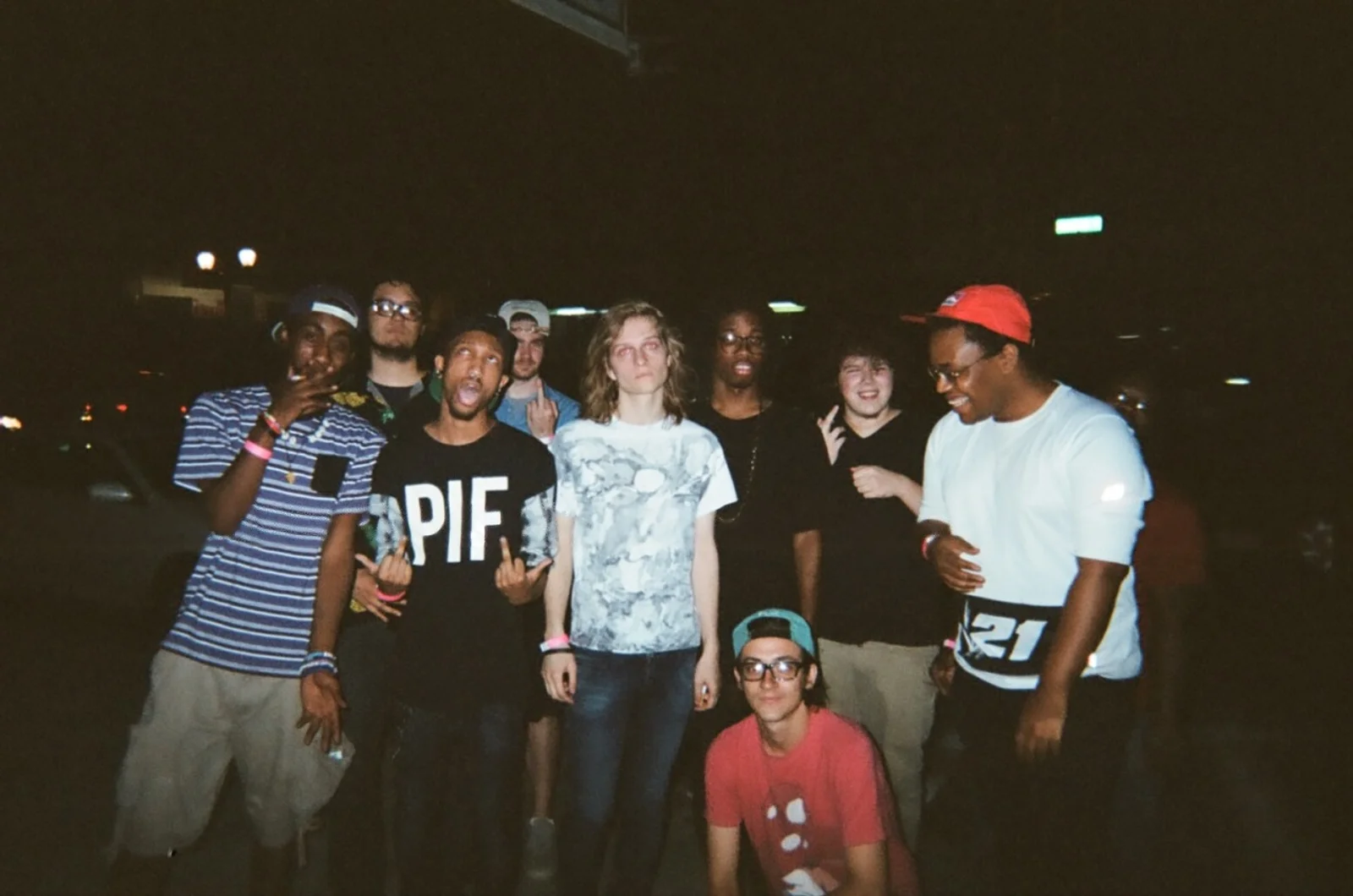
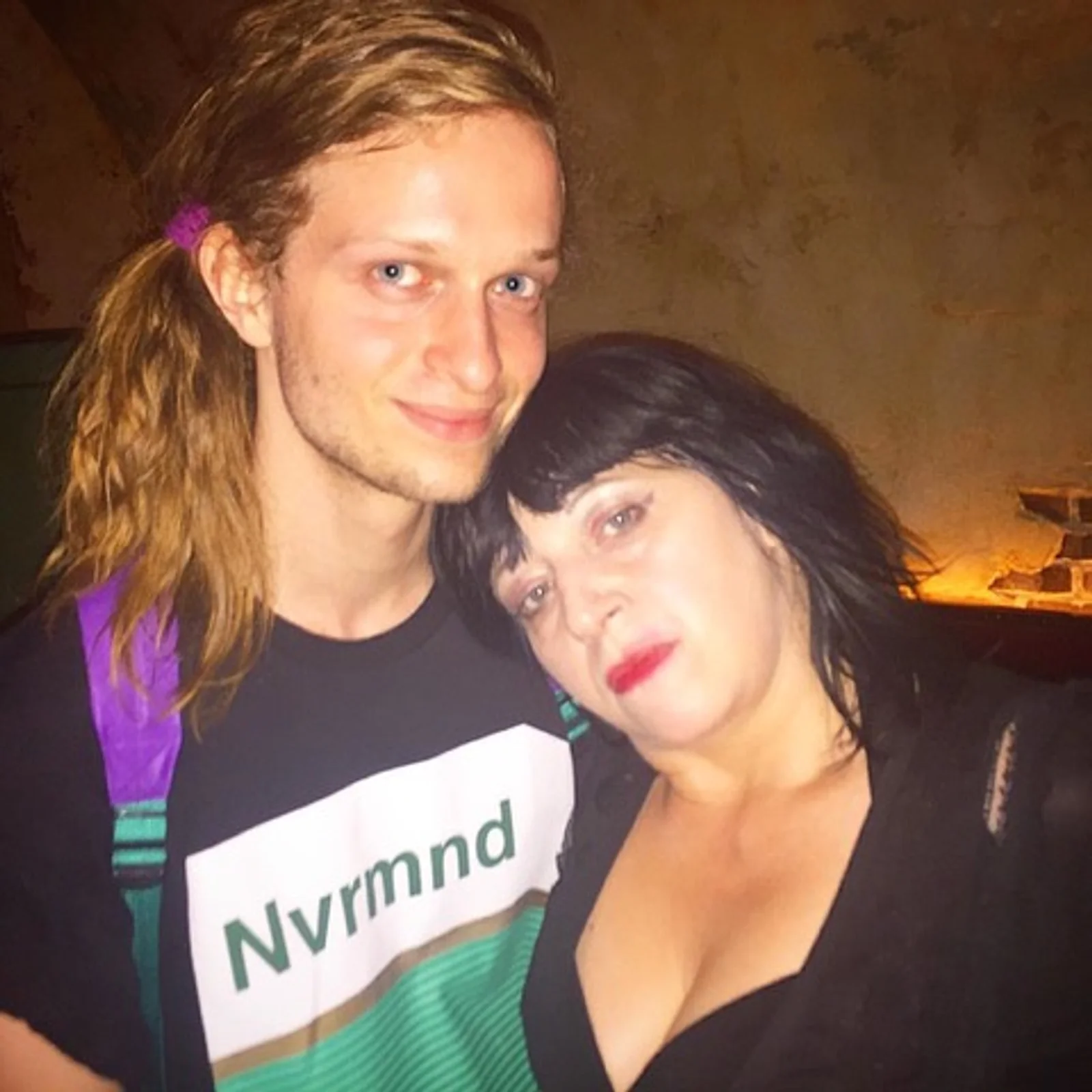
Margolies had friends. He was loved. And people rode with him for a long time, through many cancellations and allegations. He received cosigns from veteran edgelords like Lydia Lunch (who once told Wolfe's mother that "really" he was "her son"), Dennis Cooper (who gave his debut novel SHAME a glowing blurb), and Bjarne Melgaard (who displayed a huge photo of Margolies masturbating during his Red Bull Studios gallery show The Casual Pleasures of Disappointment in 2017).
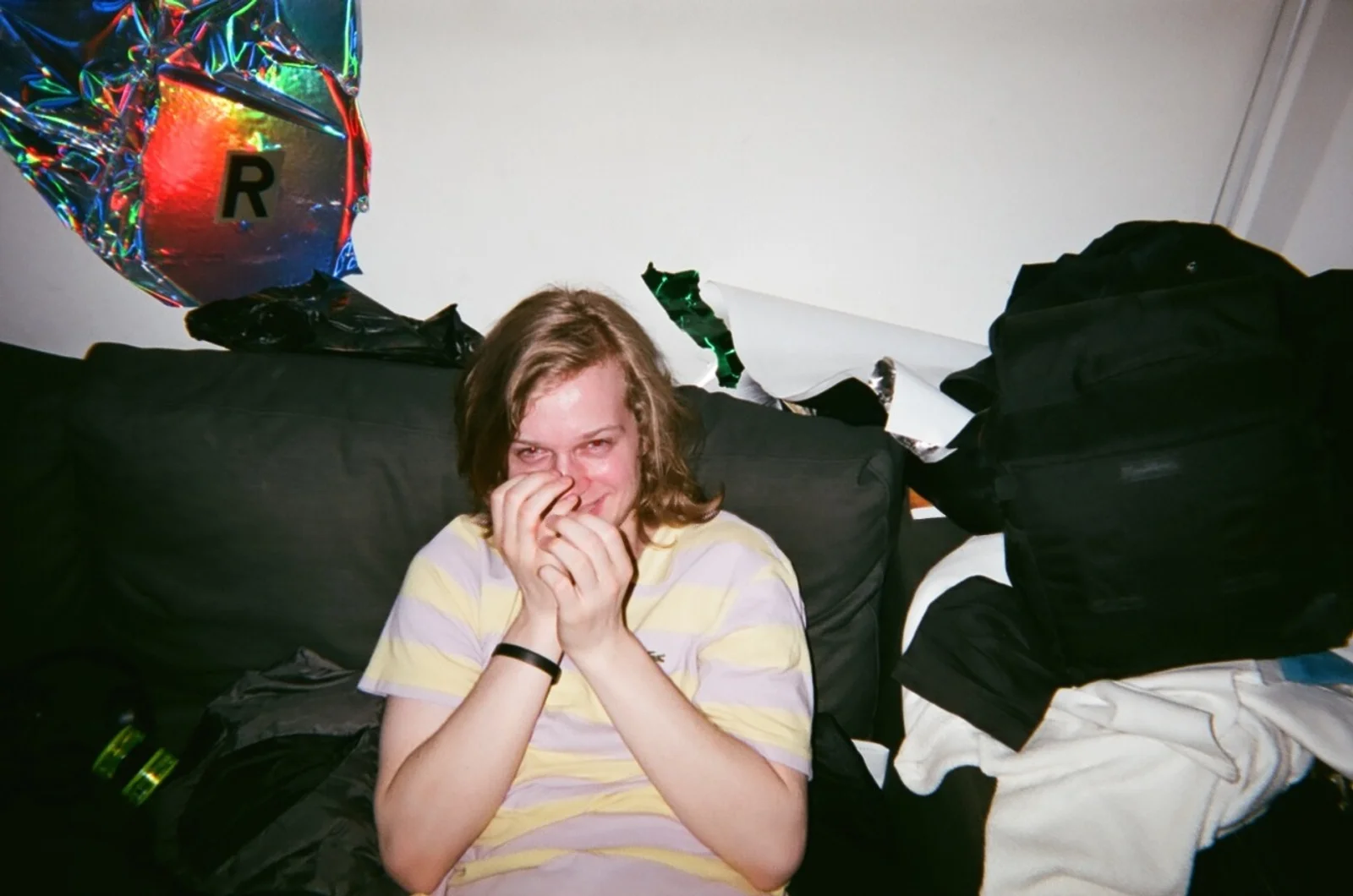
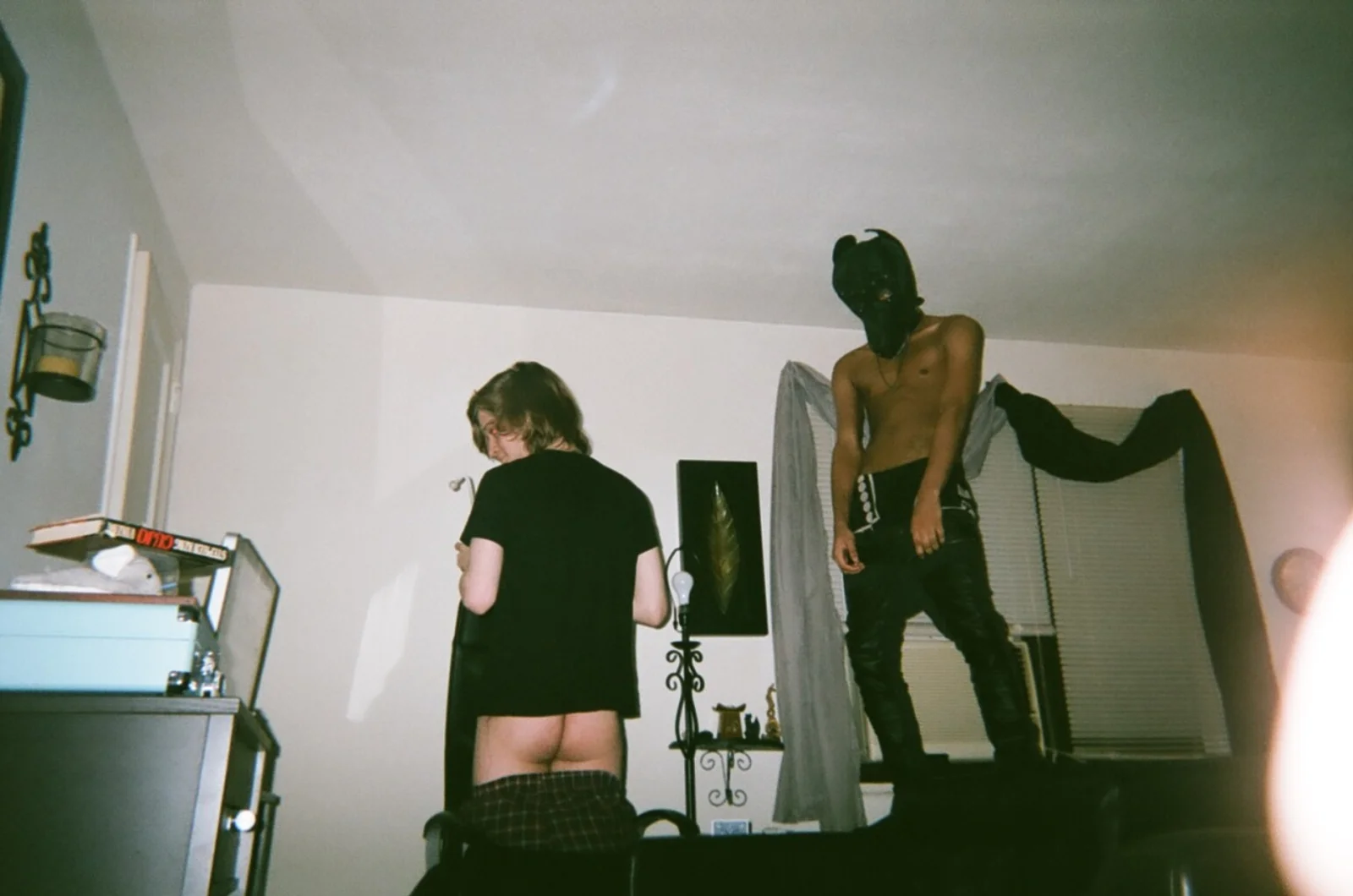
Even after a post on the image-sharing site Imgur detailing his assaults and predations went viral in 2015, his fellow Beta Boys mostly stood by him. What broke them up wasn’t outside pressure or cancel culture -- Margolies was having an affair with another member's girlfriend.
Next to implode was the Facebook group. Margolies deleted it himself in 2017, after "getting in his feelings" when another member insulted him. By then the community numbered a few hundred. One of them would later work with the FBI, setting up the controlled heroin buys that put Margolies in prison.
****
I meet Liz Margolies in Soho. She orders a Heineken 0.0 and asks for as many limes as possible. I order a regular Heineken. She dips a pinky into the glass, bringing the drop to her wrist, explaining that this is an old Jewish tradition to salute absent family members.
“People absolutely think [Wolfe] was a monster but he was a skinny little girlie boy,” she insists.
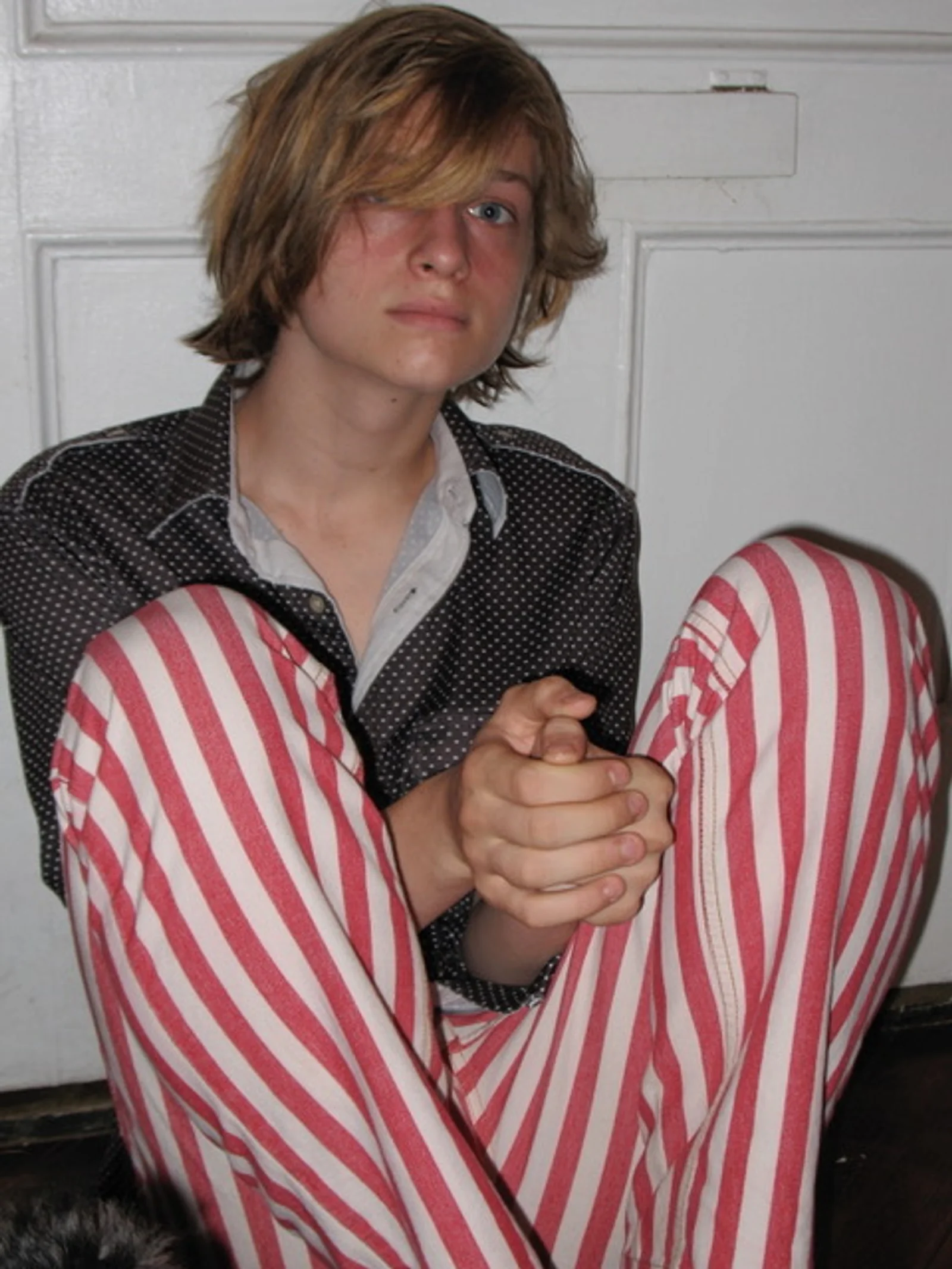
Liz gave birth to her first and only son at 39; the father was an anonymous sperm donor, selected for height, IQ, blond hair, and blue eyes. “When I sat down with my genetic counselor I told her I wanted an artist, and she told me that had nothing to do with genes,” she explained. “I don’t think she was correct.”
Liz, a queer activist and practicing psychotherapist, raised her son extremely liberal, within an extremely liberal milieu. They lived in the West Village, the first "gayborhood" in the United States. His babysitter growing up was trans; many of his friends came from nontraditional families. From the day he was born, Margolies was surrounded by a diverse and accepting community. When it was time for him to rebel, he had to go to extremes.
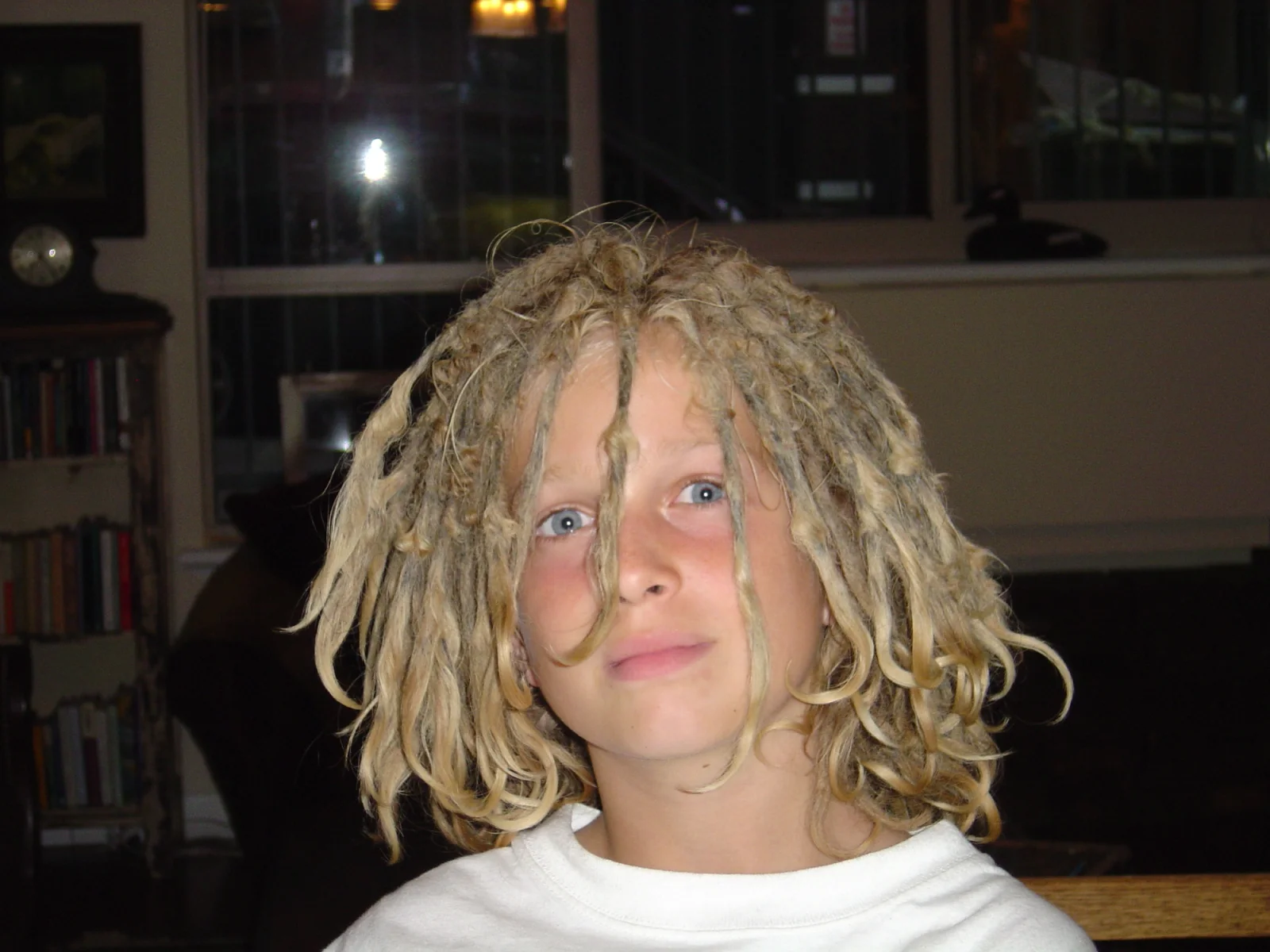
"I saw my art as a way of taking liberalism to its extreme, as a way to show how hypocritical people actually are," Margolies said. "People always talked about a conservative boogeyman, but I was in the City, so I never really experienced that. I rebelled against what was around me."
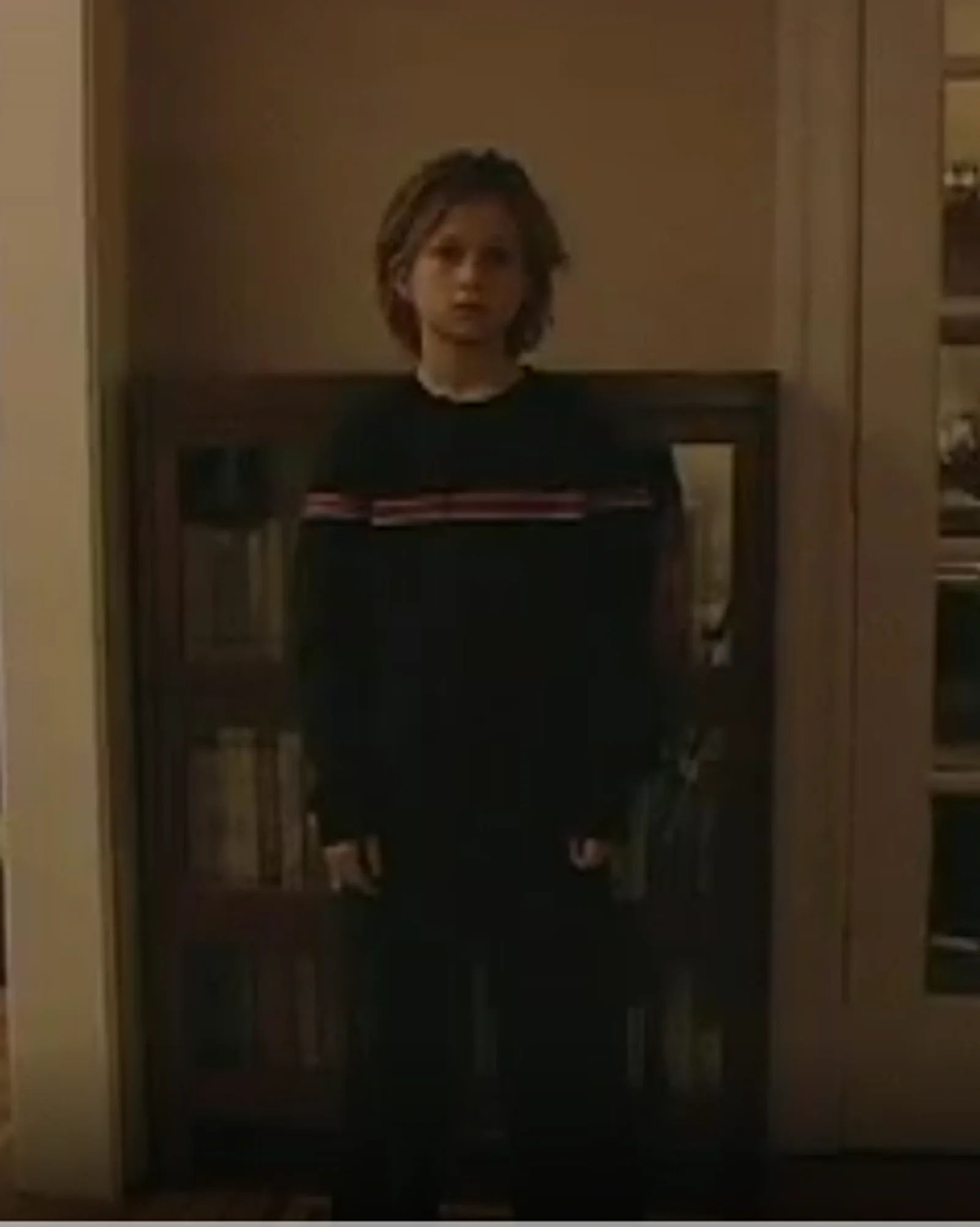
Margolies told me he began seeing a therapist at six years old, after he was sexually assaulted. It didn’t seem to help. He moved from school to school and eventually dropped out (“teachers either loved him or detested him”). After he dropped out he was taking acid "basically every day" for months at a time. "Even after I stopped taking acid, I hallucinated constantly for a year or two after," he told me. "My philosophy was more like anarchist — extremes of personal freedom and freedom of expression."
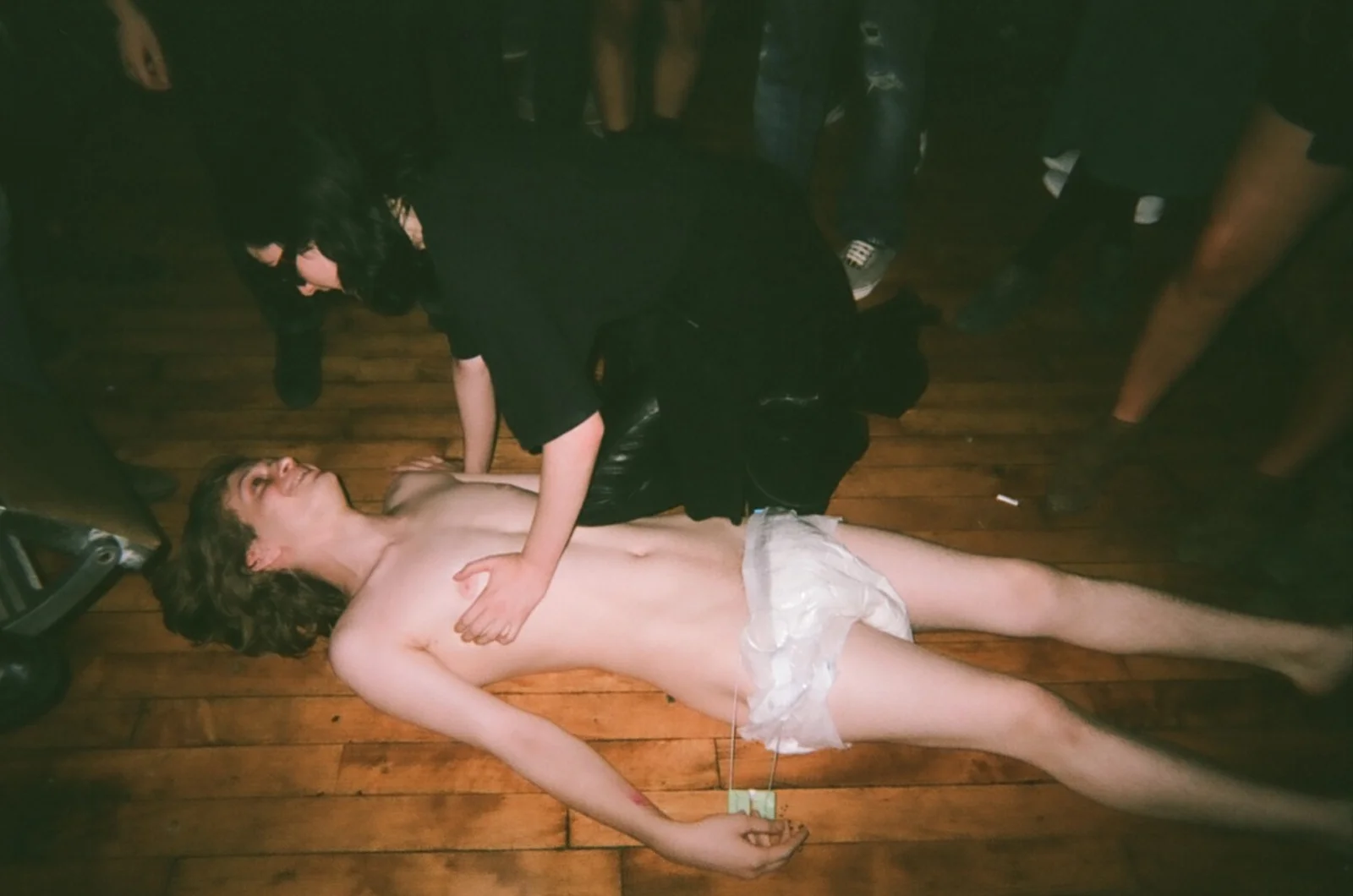
Liz didn't petition for her son to be imprisoned. That rumor, she says, stemmed from what Wolfe views as the incompetence of his lawyer. Each charge carried a twenty-year maximum sentence; Margolies' fourteen came via plea bargain. Mother and son have grown closer since, collaborating on his first book, SHAME, sending chapters back and forth via snail mail for Liz to edit.
“He is unwaveringly dedicated to his art,” she told me proudly. “Every legal advisor told us publishing a book from prison was a bad idea but he wanted to do it.”
Wolfe's fourth day of 4th grade was 9/11. While his classroom was being used as a base by the FDNY, he and his mother set up a pet-rescue operation from their apartment. Liz shows me his middle-school graduation video, her fifteen-year-old son's shoulder-length blond hair falling over a white-striped suit. He sticks out from the sea of blue blazers and red ties as the children sing the refrain from "100 Years" by Five for Fighting: “15, there's still time for you / Time to buy and time to lose / 15, there's never a wish better than this / When you only got 100 years to live.”

As the ghostly choir finishes, the blond boy approaches the stand. "I am Wolfe. Everyone says VCS is their second home, but in actuality VCS is my sixth school. The first thing VCS taught me was the importance of fire safety."
The crowd of parents and teachers behind the camera all laugh.
Years later, awaiting trial in a Chinatown cell, Wolfe had a view of the street below. Liz would sometimes come stand on the sidewalk and wave up at him.
****
“You understand that Wolfe was a serial rapist, right?” an original Beta Boy texts me over Facebook Messenger. “Wolfe hurt a lot of people in real life. Not art.” As he types, I’m looking at a photo of Wolfe feeding him a fry in a NYC diner circa 2014.
Others aren’t convinced. “People didn’t understand that Wolfe was taking on the voice of his abuser—he wasn’t going around fucking kids or whatever, he was so awkward I had to basically hold his hand and lead him through parties,” another former Beta Boy told me.
After the Beta Boys broke up, Margolies moved to East Harlem. His mother had cut him off financially. Finding himself with fewer and fewer friends and no real opportunities to perform, he worked the floor at Goodwill to make rent while selling heroin on the side.
"I wanted to go on vacation, and lots of my friends were overdosing or killing themselves," he told me. He decided a trip to the Middle East would be a good way to clear his head and his bloodstream.
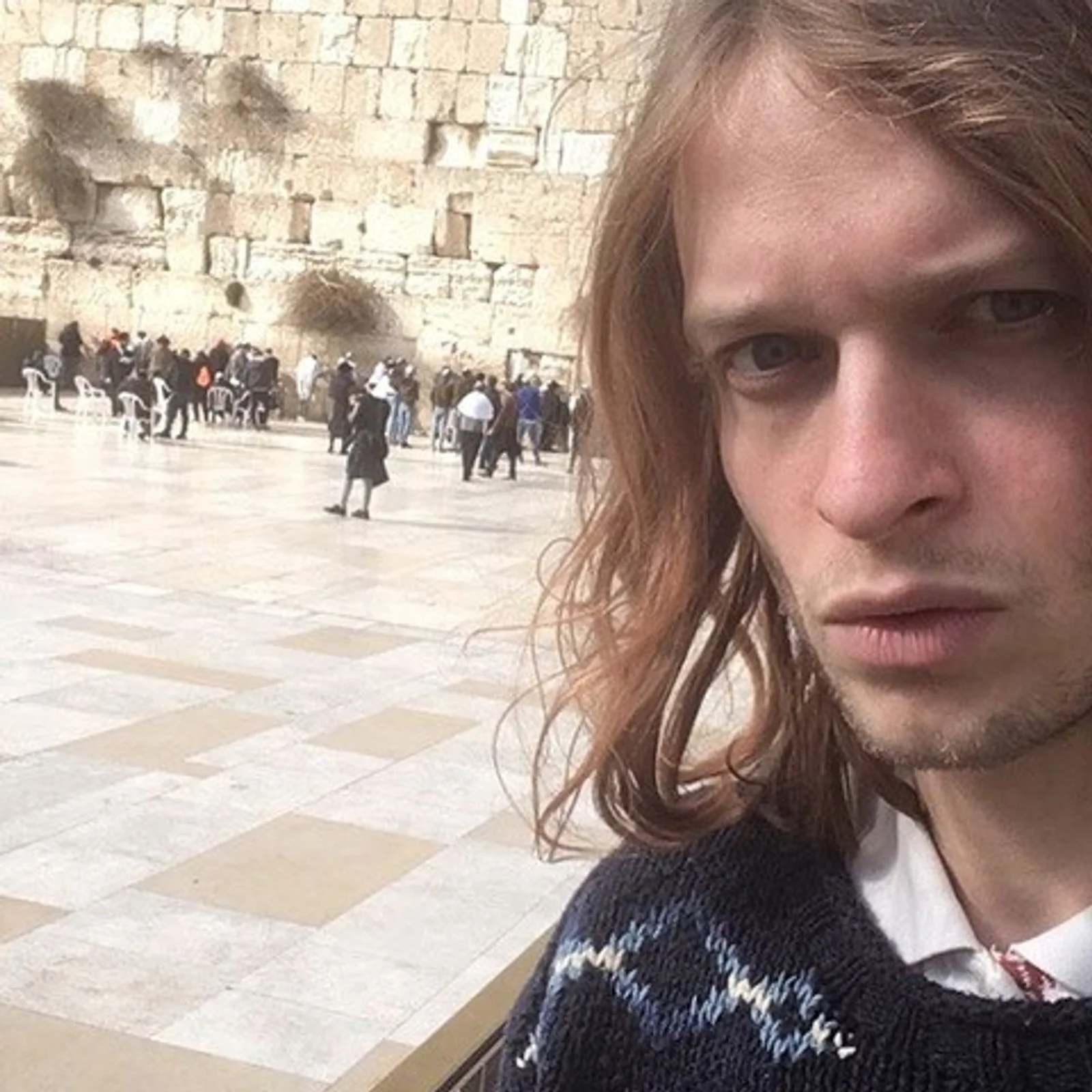
"I went to Israel because it was free. It was awesome. I went scuba diving and shit. I was over all this shit I had been doing and was ready to have a more trad life. I fell in love with this girl who came with me to NOLA. I quit all the drugs and was gonna try to be a square, get a computer job. But then I got arrested so I didn’t get to do any of that shit."
The TSA stopped Margolies in the arrivals lounge at JFK on his return from Israel in 2018. Although he'd long boasted of criminal activity in his music, it took eight years for the government to put together a case. The FBI had run its controlled buys through the former Beta Boy, who referred customers to Wolfe at $25 a pop. During the interrogation, his phone was cloned before being returned. In the deleted files they found the pornography and messages linking him to a fatal heroin overdose.
Then they let him walk. Margolies went with the girl to New Orleans, where he was captured on Valentine's Day 2018 and transferred back to New York. At his sentencing, the judge read back Margolies' lyrics about pedophilia and beating sexual-assault cases.
Only one member of Beta Boys showed up.
****
Three years after he was locked up, the Daily Beast published an article titled They Believe He Confessed to Rapes in His Rap Lyrics. In it, four women detail their experiences of being groomed, raped, and sexually assaulted by Margolies, which often match the lyrics of his songs. Their accounts are appalling. One woman named Emily says she was 14 when she first met the rapper, shortly before his 23rd birthday. Another attempted suicide. (He has never been tried nor convicted for anything alleged by the four women in the Daily Beast’s story.)
I asked Wolfe about the article.
“Before that came out I thought some of those girls would have reached out to me, like they would feel bad now that I’m locked up or something, but I guess not,” he said. “Sometimes players fuck up.”
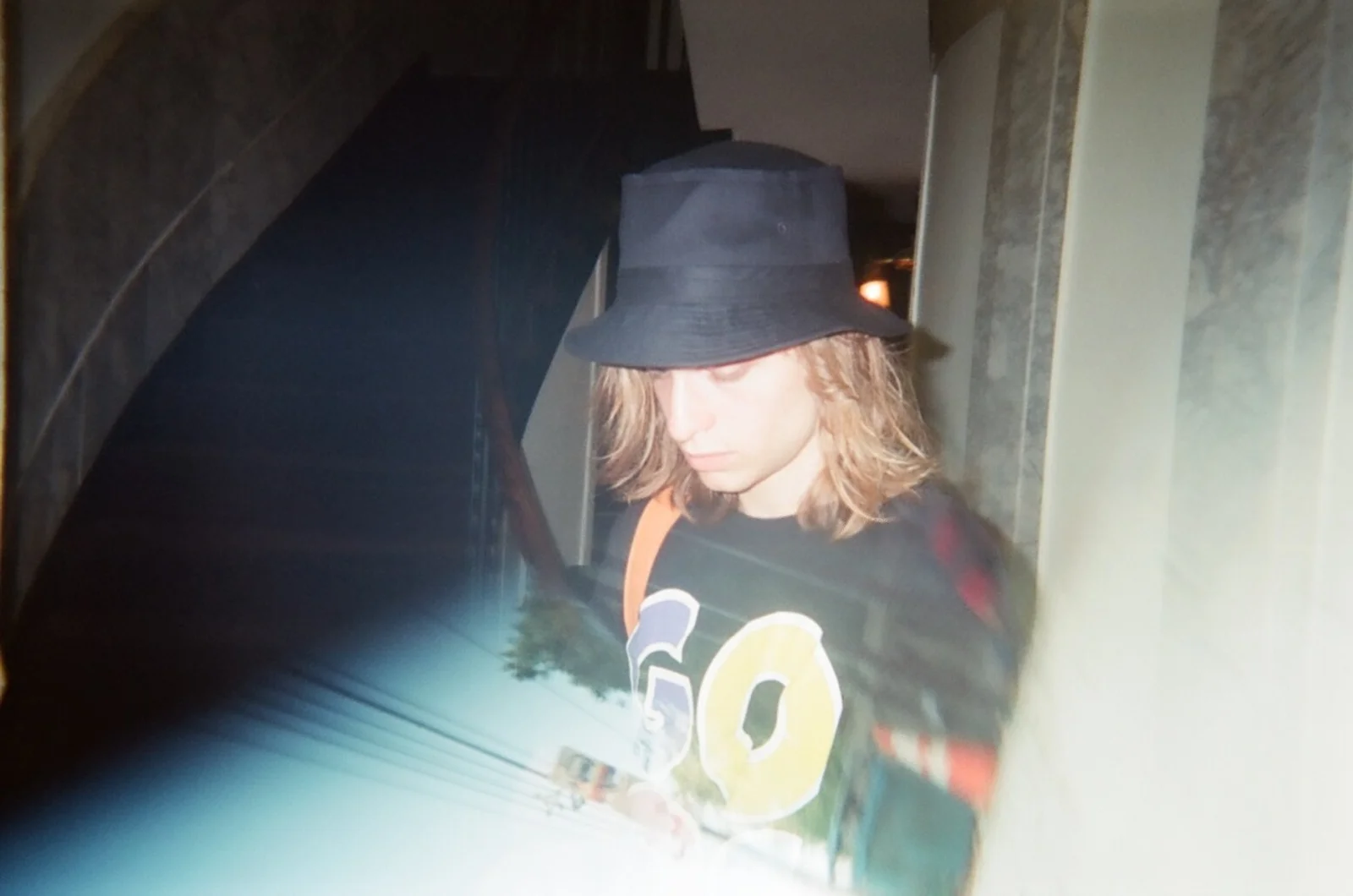
I was initially drawn to Margolies because it felt like through the details of his story—his crimes, his art, his social nous, his cancellation and subsequent imprisonment—we might better understand the mechanics of internet micro-celebrity. Here was someone with a unique ability to transmute his darkest thoughts and actions into social capital, a test-tube baby for internet culture, addicted to attention, negative or positive. “Getting likes on social media, that was like drugs to him,” one former Beta Boy told me. Margolies was living in today’s parasocial internet culture a decade ahead of the rest of us.
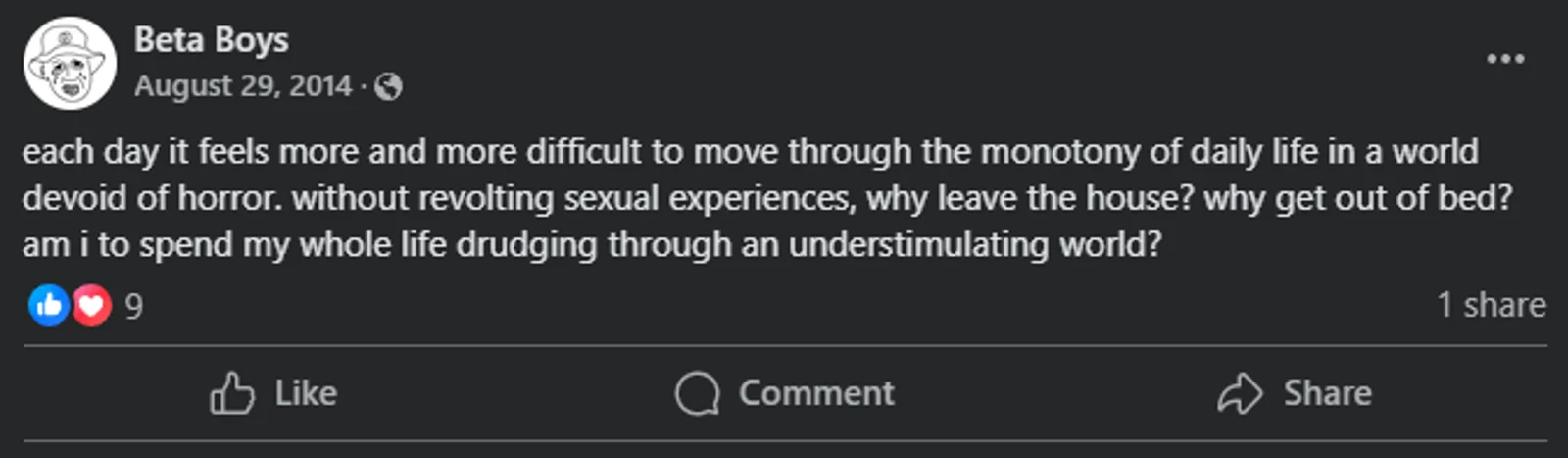
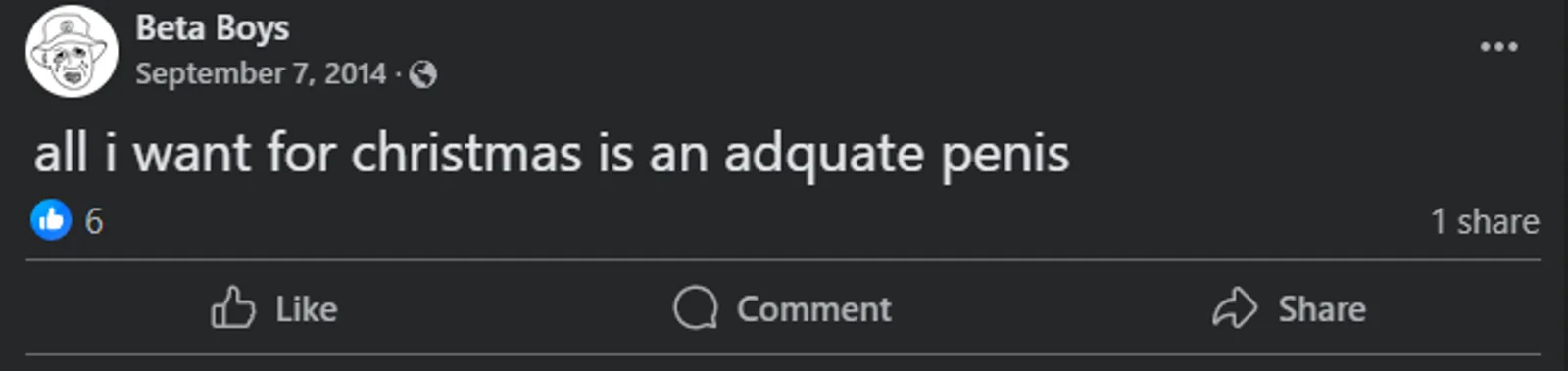
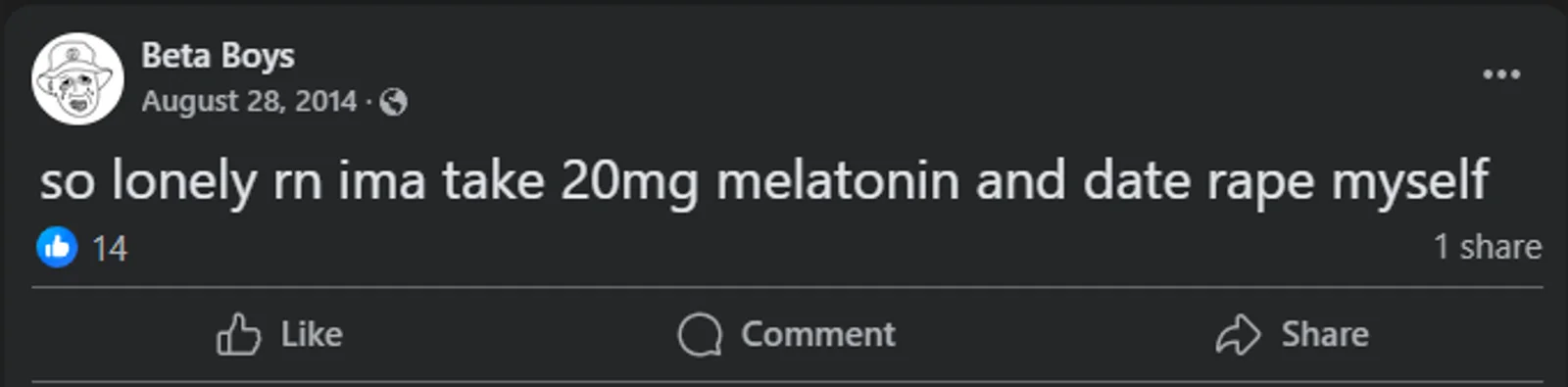
The confluence of far-right thinking, male chauvinism, and monetized trolling that today we call the Manosphere was just beginning to take form. “I wanted people to be scared of me; I wanted them to think everything I said was real,” Margolies insisted. “But I was a different person on the internet. When people called me a pedo or whatever, I would basically say they were right to piss them off more. I still stand by the ethos of those songs. I know some people were in Beta Boys simply to piss people off. I wanted to actually discuss the things that no one wanted to talk about."
For the entirety of the 2020s, Margolies has been behind bars, missing in action as edginess has gone mainstream. Twitter became Elon Musk’s X, flooding people’s feeds with slurs, gore, and porn. 4chan slang like “mog” and “foid” oozed into the everyday vernacular. Kids’ jokes about Diddy and Epstein have led to their names being banned in NYC elementary schools. Nick Fuentes is famous. Even the White House has leaned hard into the “based” visual grammar of the online edgelord.
While digging through the Wayback Machine’s snapshots of the old Tumblr, it sometimes felt like I’d lifted up a large stone and unearthed all the grotesque little bugs living underneath. In all my research, I wasn’t able to find anyone who felt ambivalent about him. Depending on who you’re talking to, Margolies was either a misguided, molested, misunderstood performance artist -- or an ultra-violent sexual predator and pedophile who should be put to death.

Many think his 14-year sentence didn’t go far enough. Immediately after petitioning my Instagram followers for information on Drrty Pharms, I got vague “don’t do this” messages, along with others more of the “we are gonna jump you if you write about this” variety. When I asked Lydia Lunch for comment, she emailed back: “Sorry, I have to keep my distance on this subject. If you want to see the foreword I wrote for his book I can send it.”
In our conversations about cancel culture, Margolies would often remark on what he saw as its hypocrisy: "They think someone will behave better if they don't have any friends."
Some people make it their life's goal to burn every bridge, seeking to find the “true” relationship that can never break. They alienate themselves further and further, forever upping the ante, until the people around them are forced to choose between the friendship and the rest of the world. And when the breaking point comes, the burning of the bridge is felt as a betrayal — even though it is the exact result the subject was seeking.
Margolies was smart, charismatic, handsome, from a well-educated, well-off family. Yet all he sought was alienation.
In this sense, at least, he has succeeded.
****
Margolies calls me from prison. I am sitting at the chess tables in Tompkins Square Park, where he used to hang out with the homeless and the crust punks after his social exile from Brooklyn in 2015 — a park that never closed, where the kids either weren't on social media or weren't online at all, and where he felt safe from his canceled past. I remember when people lived at these tables year-round. Today it’s full of people on laptops and Doordashers scurrying through.
The call is rerouted through D.C. This is a call coming from a federal prison, says a feminine robot voice. Press 5 to accept. Press 7 to block this number forever.
I press 5.

Wolfe's voice, though he is now 31, still sounds like the stoner kid in the back of the class who only spoke when forced to. Federal inmates receive 300 minutes of phone calls per month, each call cut off at fifteen minutes. Every five minutes, the robot reminds us that I am speaking to a federal inmate and that we are being recorded.
“I guess I'll be like, 40 when I can actually have a wife and kids.”
“Do you feel rehabilitated?” I ask.
“I guess.” He laughs.
“Are you ever relieved that you got locked up?”
Margolies answers immediately.
“No, nothing is worse than this. I guess I could be dead but whatever.”

Photos by Ziggy Black and Liz Margiole.